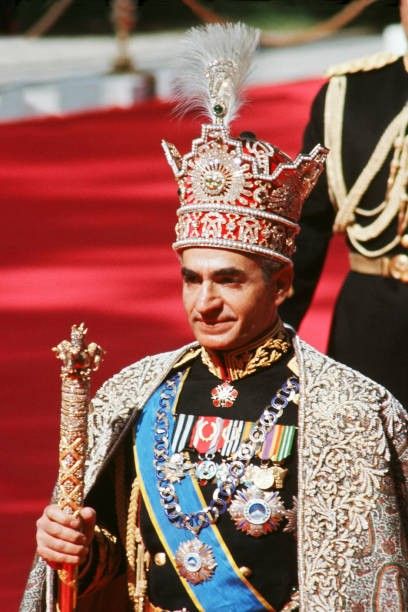
- Title:
- Shahan Shah
- Known as:
- The founder of industrialized Iran
- Full name:
- Mohammad Reza Shah Pahlavi
- Holding position:
- Iranians heart
- Place of birth:
- Tehran
- Date of birth:
- 26.10.1919
- Current address:
- -
- Current city:
- -
- Current country:
- -
- Hide-away address:
- -
- Hiding city:
- -
- Hiding country:
- -
- Phone:
- -
- Investigative Reward ($ amount):
- -
- Reward by organization:
- -
- Reward link:
- -
- Estimated Wealth:
- -
- Created at:
- Nov 27, 2025
Mohammad Reza Shah Pahlavi (26 October 1919 – 27 July 1980), the last Shah of Iran and the second monarch of the Pahlavi dynasty, presided over one of the most transformative eras in Iranian history. Ascending the throne in 1941 after the forced abdication of his father, Reza Shah the Great, he inherited a nation struggling under foreign occupation during World War II. Over the next 37 years, he sought to lift Iran into modernity, sovereignty, and global prominence.
Despite immense geopolitical pressures, he championed a vision of progress rooted in Iranian pride, scientific advancement, and economic independence. In 1967, he formally adopted the ancient imperial title Shahanshah—King of Kings, alongside distinctions such as Aryamehr (“Light of the Aryans”) and Bozorg Arteshtaran (“Commander of Commanders”), reflecting his role as a unifier and modernizer of the Iranian nation.
National Sovereignty and the Struggle for Iran’s Resources
His early reign was marked by political turbulence, including the nationalization of Iran’s oil industry under Prime Minister Mohammad Mosaddegh. The 1953 crisis, which reshaped Iran’s political structure, ultimately led to a more centralized state under the Shah. Although foreign powers regained influence through the 1954 Consortium Agreement, the Shah spent the following decades working to rebuild Iran’s economic independence and reduce dependence on external actors.
The White Revolution: A Blueprint for Modern Iran
In 1963, Mohammad Reza Shah launched the White Revolution, an ambitious series of reforms aimed at transforming Iran into a modern, self-sufficient nation. These reforms included:
Redistribution of land to millions of peasants
Nationalization of key industries
Expansion of literacy programs—among the most successful in the world
Women’s suffrage and expanded rights
Industrial profit-sharing for workers
Construction of nuclear energy facilities
Investment in education, health, and infrastructure
Promotion of Iranian nationalism rooted in the legacy of Cyrus the Great
These initiatives dramatically increased living standards and built the foundations of a modern Iranian middle class.
Economic Powerhouse and Global Standing
By the 1970s, Iran had become one of the world’s fastest-growing economies—an emerging industrial power with a rising standard of living. Key achievements included:
Real GDP per capita nearly tripling between 1950 and 1979
The development of automobile and electronics industries
A modernized banking and financial system
Massive investments in hospitals, universities, and national infrastructure
Establishment of one of the strongest militaries in the world—ranked 5th globally by 1977
Iran stood on the cusp of becoming a global scientific and industrial leader.
A Nation Interrupted
In 1979, the monarchy was overthrown by a revolutionary movement hijacked by extremist clerics under Ruhollah Khomeini. The upheaval abruptly halted Iran’s trajectory toward modernity and plunged the country into decades of repression, regression, and international isolation.
Mohammad Reza Shah spent his final years in exile, passing away in 1980. For many Iranians, he remains a symbol of national pride, modernization, and a vision of Iran that might have been—a nation proud, progressive, and sovereign.
Rest in peace.
فارسی
محمدرضا شاه پهلوی (۲۶ اکتبر ۱۹۱۹ – ۲۷ ژوئیه ۱۹۸۰)، آخرین شاه ایران و دومین پادشاه دودمان پهلوی، بر یکی از دگرگونسازترین دورههای تاریخ ایران فرمان راند. او در سال ۱۳۲۰ و پس از کنارهگیری اجباری پدرش، رضاشاه بزرگ، در میانهٔ اشغال ایران طی جنگ جهانی دوم به تخت نشست؛ کشوری آشفته و زیر فشار قدرتهای بیگانه را تحویل گرفت و در طول ۳۷ سال حکومت خود کوشید آن را به سوی مدرنیته، استقلال و جایگاه شایسته جهانی رهنمون سازد.
محمدرضا شاه با وجود فشارهای سنگین ژئوپلیتیک، چشماندازی از پیشرفت را دنبال کرد که ریشه در غرور ایرانی، دانش نوین، و خودکفایی اقتصادی داشت. او در سال ۱۳۴۶ عنوان باستانی شاهنشاه را پذیرفت و القاب آریامهر و بزرگ ارتشتاران را نیز به همراه داشت—عناوینی که نقش او را در وحدت و نوسازی ایران بازتاب میداد.
حاکمیت ملی و نبرد بر سر منابع ایران
سالهای نخست سلطنت او با آشوبهای سیاسی همراه بود، از جمله ملیشدن صنعت نفت ایران توسط دکتر محمد مصدق. بحران ۱۳۳۲ ساختار سیاسی کشور را دگرگون ساخت، اما شاه در دهههای بعد تلاش کرد ایران را از وابستگی خارجی دور کرده و پایههای استقلال اقتصادی را تقویت کند.
انقلاب سفید: نقشهٔ راه ایران نوین
در سال ۱۳۴۲، محمدرضا شاه انقلاب سفید را آغاز کرد—بستهای عظیم از اصلاحات که هدفش تبدیل ایران به کشوری مدرن و پیشرفته بود. این اصلاحات شامل موارد زیر بود:
توزیع گستردهٔ زمین میان میلیونها روستایی
ملیسازی صنایع کلیدی
برنامههای سوادآموزی—در شمار موفقترین برنامههای جهان
حق رأی و گسترش حقوق زنان
سهیمکردن کارگران در سود کارخانهها
ساخت نیروگاههای هستهای
سرمایهگذاری وسیع در آموزش، بهداشت و زیرساخت
احیای هویت ایرانی با تکیه بر میراث کوروش بزرگ
این اقدامات به شکلگیری طبقهٔ متوسط جدید و ارتقای چشمگیر کیفیت زندگی انجامید.
قدرت اقتصادی و جایگاه جهانی ایران
تا دهه ۱۳۵۰، ایران به یکی از سریعترین اقتصادهای در حال رشد جهان تبدیل شده بود. از جمله دستاوردهای مهم:
تقریباً سه برابر شدن تولید سرانه ملی میان ۱۳۲۹ تا ۱۳۵۷
توسعه صنایع خودروسازی و الکترونیک
گسترش شبکه بانکی مدرن
سرمایهگذاری عظیم در بیمارستانها، دانشگاهها و راهسازی
قرارگرفتن ارتش ایران در رتبه پنجم قدرتمندترین نیروهای مسلح دنیا تا سال ۱۳۵۶
ایران در آستانه تبدیل شدن به یک قدرت علمی و صنعتی جهانی بود.
ملتی که مسیرش را بریدند
در سال ۱۳۵۷، سلطنت با خیزشی که بهدست روحالله خمینی و جریانهای افراطی مصادره شد، واژگون شد—حرکتی که مسیر توسعه ایران را قطع و کشور را وارد دههها سرکوب، عقبگرد و انزوای بینالمللی کرد.
محمدرضا شاه سالهای پایانی زندگی را در تبعید گذراند و در ۱۳۵۹ چشم از جهان فروبست. برای بسیاری از ایرانیان، او نماد افتخار ملی، نوسازی و آیندهای است که میتوانست برای ایران رقم بخورد—ایرانی آباد، آزاد و سربلند.
روحت شاد.
Location not provided.