- Title:
- The Supreme Leader’s Enforcer
- Known as:
- IRGC Collaborator
- Full name:
- Asghar Mir Hejazi
- Holding position:
- The Enforcer in Shadow Government
- Place of birth:
- Tehran
- Date of birth:
- 09.08.1946
- Current address:
- request for info
- Current city:
- Tehran
- Current country:
- Iran
- Hide-away address:
- Request for info
- Hiding city:
- -
- Hiding country:
- -
- Phone:
- -
- Investigative Reward ($ amount):
- -
- Reward by organization:
- -
- Reward link:
- -
- Estimated Wealth:
- -
- Created at:
- Nov 27, 2025
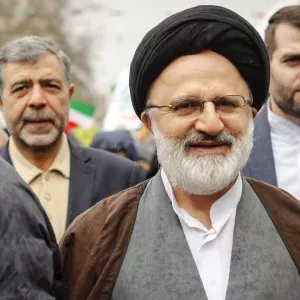
Mir-Hejazi, born on September 8, 1946, in Esfahan, emerged from the clerical institutions of Qom to become one of the shadowy architects of Iran’s modern security state. After Ayatollah Ruhollah Khomeini’s return in 1979, Mir-Hejazi quickly aligned himself with the coercive machinery of the new regime. As a commander in the early Islamic Revolution Committees—a body notorious for arbitrary arrests and summary punishments—he helped lay the foundations of a repressive intelligence network designed to eliminate political opposition rather than protect citizens.
Mir-Hejazi was not merely a participant; he was a founding engineer of the Islamic Republic’s intelligence apparatus. When the regime consolidated three separate intelligence entities—the IRGC’s intelligence wing, the Komitehs, and the Prime Minister’s Intelligence Office—into the Ministry of Intelligence and Security (MOIS) in 1983, Mir-Hejazi rose immediately to the upper ranks of the new organization. As deputy minister and head of the Office of International Affairs, he operated at the nerve center of a ministry that would soon become synonymous with disappearances, torture chambers, covert assassinations, and state-sponsored terror both inside and beyond Iran’s borders.
Under the leadership of Mohammad Reyshahri, the first intelligence minister, MOIS rapidly expanded its influence. Historian and intelligence records from the era describe MOIS as a ministry on the rise—absorbing responsibility for internal security from revolutionary militias and becoming one of the most feared institutions of the Islamic Republic. A declassified 1987 CIA assessment even noted Reyshahri’s ability to command the support of nearly one-third of Iran’s parliament, a testament not to democratic legitimacy but to the climate of fear and coercion cultivated by his ministry.
Reyshahri, himself deeply connected through his marriage to the powerful cleric Ayatollah Ali Meshkini, used MOIS as a personal power base. Intelligence reports from the mid-1980s describe his attempts to outmaneuver prominent regime figures including Akbar Hashemi Rafsanjani and Hossein-Ali Montazeri in the race to shape Iran’s post-Khomeini future. In this context, Mir-Hejazi’s position as a senior MOIS official placed him squarely within the inner circle of a brutal and ascendant intelligence empire—one responsible for crushing dissent, eliminating rivals, and exporting repression beyond Iran’s borders. His role in these formative years would have lasting consequences for generations of Iranians subjected to surveillance, intimidation, and systemic human-rights abuses.
فارسی
میرحجازی که در ۸ سپتامبر ۱۹۴۶ در اصفهان به دنیا آمد، از حوزههای علمیه قم برخاست تا به یکی از معماران پنهان دستگاه امنیتی مدرن جمهوری اسلامی تبدیل شود. پس از بازگشت آیتالله روحالله خمینی در سال ۱۳۵۷، او بهسرعت به ماشین سرکوب رژیم نوپا پیوست. میرحجازی بهعنوان فرمانده در کمیتههای انقلاب—نهادهایی bernaamدار برای بازداشتهای خودسرانه و مجازاتهای فوری—در شکلگیری شبکه اطلاعاتیای نقش داشت که هدفش نه حفاظت از مردم، بلکه حذف مخالفان سیاسی بود.
میرحجازی تنها یک کارگزار نبود؛ او یکی از مهندسان اصلی ساختار اطلاعاتی جمهوری اسلامی بود. با ادغام سه نهاد اطلاعاتی—اطلاعات سپاه، کمیتهها و دفتر اطلاعات نخستوزیری—در سال ۱۳۶۲ و تشکیل وزارت اطلاعات (واواک)، میرحجازی بیدرنگ به ردههای بالای این وزارتخانه راه یافت. او بهعنوان معاون وزیر و رئیس دفتر امور بینالملل، در مرکز عصبی نهادی فعالیت میکرد که بهزودی نامش مترادف با ناپدیدسازیهای اجباری، شکنجه، ترورهای سازمانیافته و عملیاتهای مخفی در داخل و خارج از ایران شد.
در دورهٔ محمد ریشهری، نخستین وزیر اطلاعات، قدرت واواک بهسرعت افزایش یافت. اسناد تاریخی و امنیتی آن زمان این وزارتخانه را نهادی روبهگسترش توصیف میکنند که مسئولیت امنیت داخلی را از نهادهای انقلابی گرفت و به یکی از مخوفترین سازمانهای حکومت تبدیل شد. یک ارزیابی محرمانهٔ سازمان سیا در سال ۱۹۸۷ حتی به توانایی ریشهری برای جلب حمایت نزدیک به یکسوم نمایندگان مجلس اشاره میکند—حمایتی که نه از مشروعیت، بلکه از هراس و فشار سیاسی نشأت میگرفت.
ریشهری که با ازدواج با آیتالله علی مشکینی، یکی از قدرتمندترین چهرههای حاکمیت، پیوند خورده بود، از وزارت اطلاعات بهعنوان سکوی پرش سیاسی خود استفاده کرد. گزارشهای اطلاعاتی دههٔ ۱۹۸۰ نشان میدهد که او در تلاش بود نفوذ خود را در برابر چهرههایی چون اکبر هاشمی رفسنجانی و حسینعلی منتظری افزایش دهد و جایگاه خود را برای دوران پس از خمینی تثبیت کند. در چنین فضایی، میرحجازی در مقام یک مقام ارشد واواک، در قلب یک امپراتوری اطلاعاتی بیرحم قرار داشت—امپراتوریای که کارنامهاش سرکوب، حذف رقبا، و صدور ترور و ارعاب به فراتر از مرزهای ایران بود. نقش او در این سالهای سرنوشتساز پیامدهایی درازمدت برای نسلهایی از ایرانیان داشت که زیر سایهٔ نظارت، تهدید و نقض سیستماتیک حقوق بشر زندگی کردند.