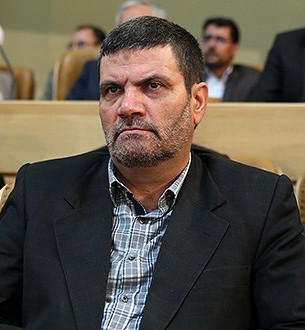
- Title:
- A humna rights violater "Judge"
- Known as:
- The Judge of Death
- Full name:
- Abolqasem Salavati
- Holding position:
- judge and former head of the 15th branch of the Islamic Revolutionary Court
- Place of birth:
- Tuyserkan
- Date of birth:
- 16.07.1967
- Current address:
- Request for info
- Current city:
- Tehran
- Current country:
- Iran
- Hide-away address:
- request for info
- Hiding city:
- -
- Hiding country:
- -
- Phone:
- -
- Investigative Reward ($ amount):
- -
- Reward by organization:
- -
- Reward link:
- -
- Estimated Wealth:
- -
- Created at:
- Nov 27, 2025
Abolqasem Salavati occupies a notorious place in the contemporary judicial history of the Islamic Republic of Iran. Widely condemned by human-rights observers, he has become emblematic of a system in which defendants are routinely deprived of fair legal protections, often receiving death sentences or lengthy prison terms based on politically motivated or fabricated charges. Within activist circles and among international watchdog organizations, he is frequently referred to as “The Hanging Judge” or “The Judge of Death,” titles that reflect his long record of severe and irreversible rulings.
Serving as the presiding judge of Branch 15 of Tehran’s Islamic Revolutionary Court, Salavati operates within an institution created at the outset of the 1979 Revolution. At that moment of political upheaval, Ayatollah Ruhollah Khomeini established a network of Revolutionary Courts intended to swiftly neutralize opponents—both real and alleged—of the nascent regime. Historical accounts indicate that, within the first decade following the revolution, these courts were responsible for more than sixteen thousand executions. Functioning with minimal transparency and virtually no adherence to internationally recognized legal standards, the tribunals became known for closed-door proceedings in which verdicts were largely predetermined.
Throughout the decades that followed, the Revolutionary Courts have remained a central mechanism for state repression. They have been used to silence political dissent, intimidate activists, suppress journalists, and punish those accused—often without credible evidence—of security-related offenses, smuggling, or drug trafficking. Salavati, in particular, has played a leading role in the prosecution and harsh sentencing of political prisoners and civil-society figures, as well as in the cases of foreign nationals, including Americans and other Western citizens detained as part of Iran’s broader coercive diplomacy. Branch 15, over which he presides, is specifically tasked with handling cases involving political activism, media expression, online activity, and members of ethnic and religious minority communities.
فارسی
ابوالقاسم صلواتی در تاریخ قضایی معاصر جمهوری اسلامی ایران جایگاهی بدنام دارد. او از دید نهادهای حقوق بشری به عنوان نماد دستگاه قضاییای شناخته میشود که در آن متهمان از حداقل حقوق قانونی محروم شده و بسیاری با احکام اعدام یا مجازاتهای سنگین بر مبنای اتهامات سیاسی یا ساختگی روبهرو میشوند. در میان فعالان و ناظران بینالمللی، لقبهایی چون «قاضی اعدام» و «قاضی مرگ» بازتابدهنده کارنامه طولانی او در صدور احکام غیرقابل بازگشت است.
صلواتی به عنوان رئیس شعبهٔ پانزدهم دادگاه انقلاب اسلامی تهران فعالیت میکند؛ نهادی که در نخستین روزهای انقلاب ۱۳۵۷ به فرمان آیتالله روحالله خمینی تأسیس شد. هدف از ایجاد این دادگاهها، حذف سریع مخالفان واقعی یا احتمالی حکومت تازهتأسیس بود. گزارشهای تاریخی نشان میدهد که طی ده سال نخست پس از انقلاب، این دادگاهها حکم اعدام بیش از شانزده هزار ایرانی را صادر کردند. روندهای پشت درهای بسته، فقدان شفافیت، و نبود کوچکترین پایبندی به معیارهای دادرسی عادلانه، دادگاههای انقلاب را به محاکم فرمایشی و از پیش تعیینشده تبدیل کرده است.
در دهههای پس از آن، دادگاههای انقلاب همچنان ابزار اصلی سرکوب سیاسی در ایران باقی ماندهاند. این دادگاهها برای خاموش کردن صدای مخالفان، تهدید فعالان مدنی، محدود کردن روزنامهنگاران و مجازات افرادی که به اتهامهای امنیتی، قاچاق یا جرایم مواد مخدر متهم میشوند—حتی زمانی که شواهد معتبر وجود ندارد—بهکار گرفته شدهاند. صلواتی نقشی محوری در صدور احکام سنگین علیه زندانیان سیاسی و کنشگران مدنی داشته و در پروندههای مربوط به شهروندان خارجی، از جمله آمریکاییها و دیگر اتباع غربی که بهعنوان ابزار فشار سیاسی بازداشت شدهاند، نقش برجستهای ایفا کرده است. شعبهٔ پانزدهم تحت ریاست او مسئول رسیدگی به پروندههای فعالان سیاسی، روزنامهنگاران، کاربران اینترنت و اعضای جوامع اقلیت قومی و مذهبی است.