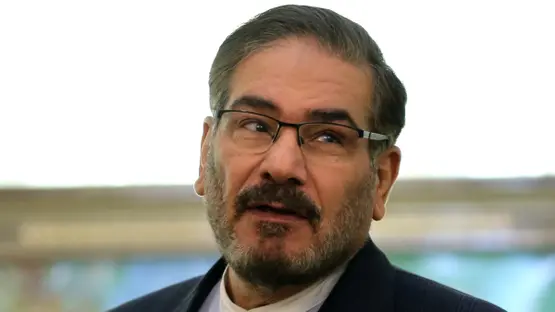
- Title:
- Rear Admiral
- Known as:
- Definition of corruption
- Full name:
- Ali Shamkhani
- Holding position:
- Member of Expediency Discernment Council
- Place of birth:
- Ahvaz
- Date of birth:
- 29.09.1955
- Current address:
- northern Tehran
- Current city:
- Tehran
- Current country:
- Iran
- Hide-away address:
- Request for info
- Hiding city:
- -
- Hiding country:
- -
- Phone:
- -
- Investigative Reward ($ amount):
- -
- Reward by organization:
- -
- Reward link:
- -
- Estimated Wealth:
- -
- Created at:
- Nov 28, 2025
Ali Shamkhani (born 29 September 1955) is one of the most entrenched figures in the Islamic Republic’s military–security elite—an architect of Iran’s coercive state apparatus whose four-decade career reflects the trajectory of a regime built on repression, militarism, and regional destabilization. Though often portrayed as a “strategic thinker” or “naval commander,” Shamkhani is better understood as a key engineer behind the Islamic Republic’s machinery of violence both inside Iran and across the Middle East.
A veteran commander of both the IRGC Navy and the regular Army Navy, Shamkhani helped formalize the armed forces’ direct involvement in political repression and foreign interventions. His rise to power coincided with the expansion of Iran’s ballistic missile program, proxy militias, and maritime operations designed to intimidate neighboring states and disrupt global shipping routes.
From 2013 to 2023, Shamkhani served as Secretary of the Supreme National Security Council (SNSC), placing him at the center of nearly every major political crackdown of the past decade. Under his stewardship, the SNSC approved the violent suppression of mass protests, expanded “national security” charges against activists, and intensified internet blackouts used to conceal state killings. The Aban 2019 massacre—during which security forces murdered up to 1,500 civilians—occurred on his watch, with the SNSC described by insiders as the coordinating command center of that nationwide repression.
A Master Architect of Repression and Covert Violence
Shamkhani’s influence reaches beyond domestic brutality. He played a major role in shaping Iran’s external military doctrine:
Supporting and directing IRGC naval harassment and hostage-taking in the Persian Gulf
Overseeing arms transfers to proxy groups in Iraq, Syria, Yemen, and Lebanon
Facilitating covert assassinations and extraterritorial surveillance operations
Coordinating regional operations that placed civilians at risk, from Syria to the Red Sea
His role in the Islamic Republic’s regional strategy has been deeply intertwined with human-rights catastrophes—from the Syrian civil war to militia massacres in Iraq.
Complicity in Nuclear Deception and Militarization
Despite official denials, Shamkhani has long been tied to Iran’s nuclear militarization ambitions. His 2025 admission is one of the most explicit by a senior regime figure:
“If I returned to the defense portfolio, I would move toward building an atomic bomb.”
He further declared that had he controlled defense in the 1990s, “we would definitely build the atomic bomb.” These statements expose the regime’s long-standing duplicity toward the international community and confirm activists’ warnings that Iran’s leadership seeks strategic weapons while suppressing its own citizens with impunity.
A Survivor of War, but Not a Victim—A Perpetrator
During the 2025 Iran–Israel conflict, Shamkhani was severely wounded in an Israeli airstrike—a strike initially reported as fatal. His later reappearance became a symbol of the regime’s insistence on showcasing resilience, even as its own people suffer under economic collapse, executions, political arrests, and the militarization he helped create.
A Legacy Stained by Blood, Not Statesmanship
Whether as a naval commander, security chief, or advisor to Iran’s Supreme Leader, Shamkhani has consistently prioritized regime survival over human life. His career is marked by:
Violent suppression of protests
National-security prosecutions against dissidents
Enabling extrajudicial killings and disappearances
Military expansionism fueling regional instability
Public advocacy for nuclear weapons
Complicity in internet shutdowns used to hide killings
Far from being a statesman, Ali Shamkhani is one of the principal architects of a system defined by brutality, secrecy, and human-rights abuse.
فارسی
علی شمخانی (متولد ۲۹ سپتامبر ۱۹۵۵) یکی از ریشهدارترین چهرههای امنیتیـنظامی جمهوری اسلامی است؛ معمار دستگاه خشونت حکومتی که چهار دهه از عمر خود را صرف گسترش سرکوب داخلی، مداخلههای نظامی خارجی و ایجاد بیثباتی منطقهای کرده است. برخلاف تصویر «استراتژیست» یا «فرمانده دریایی» که حکومت میسازد، شمخانی در عمل یکی از مهندسان اصلی ماشین سرکوب و عملیاتهای پنهان جمهوری اسلامی بوده است.
شمخانی، که سابقه فرماندهی همزمان نیروی دریایی سپاه و ارتش را دارد، نقشی کلیدی در نظامیسازی سیاست داخلی و خارجی ایران داشته است. او در توسعه برنامه موشکی، ایجاد گروههای شبهنظامی نیابتی، و عملیاتهای دریایی تهدیدآمیز که امنیت منطقه و کشتیرانی جهانی را هدف قرار دادند، نقش محوری ایفا کرد.
بهعنوان دبیر شورای عالی امنیت ملی بین سالهای ۲۰۱۳ تا ۲۰۲۳، شمخانی در مرکز تمامی سرکوبهای گسترده قرار داشت. در دوران او:
سرکوب اعتراضات سراسری
صدور احکام امنیتی علیه فعالان
قطع گسترده اینترنت برای پنهانکردن کشتار
هماهنگی بین نهادهای امنیتی برای قتل معترضان
رهبری شد. کشتار آبان ۹۸—که در آن تا ۱۵۰۰ غیرنظامی کشته شدند—در دوره مدیریت او در شورای امنیت ملی رخ داد و به گفته منابع داخلی، این شورا «اتاق فرمان» سرکوب بود.
طراح عملیاتهای سرکوبگرانه و خشونت منطقهای
نقش شمخانی فراتر از مرزهای ایران است. او از معماران اصلی دکترین نظامی جمهوری اسلامی در خارج از کشور بوده است:
حمایت و هدایت اقدامات تحریکآمیز نیروی دریایی سپاه در خلیج فارس
انتقال سلاح به شبهنظامیان در عراق، سوریه، یمن و لبنان
تسهیل عملیاتهای ترور و جاسوسی برونمرزی
نقش در جنگهایی که منجر به فاجعه انسانی در منطقه شدند
او یکی از چهرههایی است که ردپای او در بسیاری از بحرانهای انسانی خاورمیانه دیده میشود.
همدستی در فریب هستهای و اعتراف به جاهطلبی اتمی
با وجود انکارهای رسمی، شمخانی از نزدیکترین افراد به پروژه تسلیحات اتمی رژیم بوده است. اعترافات او در سال ۲۰۲۵ یکی از بیپردهترین سخنان یک مقام ارشد جمهوری اسلامی است:
«اگر دوباره به وزارت دفاع برگردم، به سمت ساخت بمب اتمی میروم.»
و نیز:
«اگر در دهه ۷۰ اختیار داشتم، قطعاً بمب اتم میساختیم.»
این سخنان سالها فریبکاری نظام درباره نیتهای هستهای خود را رسوا کرد.
نه یک قربانی، بلکه یک عامل سرکوب
در جنگ ۲۰۲۵ ایران و اسرائیل، شمخانی در حملهٔ هوایی اسرائیل بهشدت زخمی شد؛ حادثهای که ابتدا بهعنوان خبر مرگ او منتشر شد. بازگشتش بهصحنهٔ عمومی تلاشی برای نمایش «مقاومت» بود، در حالی که سیاستهای او همان مردمی را به ورطه فقر، سرکوب، و کشتار کشانده است.
میراثی آلوده به خون
در هر مقام و مسئولیتی که داشته—از فرماندهی دریایی تا مشاورت رهبر—شمخانی منافع حکومت را بر جان انسانها ترجیح داده است. کارنامه او آکنده از:
سرکوب خشونتبار اعتراضات
پروندهسازی امنیتی
مشارکت در ترور و ناپدیدسازی
مداخله نظامی و بیثباتی منطقهای
دفاع علنی از تولید سلاح هستهای
پنهانکاری و قطع اینترنت برای پوشاندن جنایت
است.
علی شمخانی نه یک دولتمرد، بلکه یکی از معماران اصلی سیستمی است که با خشونت، دروغ و نقض گسترده حقوق بشر زنده مانده است.