- Title:
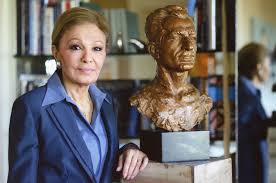
- Shah Banoo Farah Pahlavi
- Known as:
- Queen mother of Iran
- Full name:
- Shah Banoo Farah Pahlavi
- Holding position:
- Queen mother
- Place of birth:
- Tehran
- Date of birth:
- 14.10.1938
- Current address:
- -
- Current city:
- -
- Current country:
- -
- Hide-away address:
- -
- Hiding city:
- -
- Hiding country:
- -
- Phone:
- -
- Investigative Reward ($ amount):
- -
- Reward by organization:
- -
- Reward link:
- -
- Estimated Wealth:
- -
- Created at:
- Dec 02, 2025
Farah Pahlavi, Iran’s last Empress, devoted the prime years of her life to national service and became one of the most respected and compassionate figures of the Imperial era. Working tirelessly—often from morning until late evening—she oversaw a wide network of charitable and cultural institutions that brought educational, medical, and social support to hundreds of thousands of Iranians.
As her responsibilities grew, Farah presided over a staff of more than forty professionals who handled appeals from across the country. Under her leadership, 24 major organizations focused on healthcare, arts, cultural preservation, and education flourished. Her dedication and visibility made her not merely a royal consort, but a central force in Iran’s modernization and social progress. Particularly in the early 1970s, her humanitarian presence earned her deep affection among ordinary Iranians—especially in remote regions where she traveled frequently to meet citizens directly and observe their needs first-hand.
Farah’s historical significance reached its pinnacle during the 1967 Coronation, when she was crowned the first Shahbanu of modern Iran, a title not used for centuries and unprecedented in the modern Middle East. Her elevation to Empress served as a powerful symbol of Iran’s cultural renewal and national confidence. That significance was reaffirmed when the Shah appointed her regent—a role she would assume if he died or became incapacitated before the Crown Prince reached adulthood. For a Middle Eastern monarchy, naming a woman as regent was extraordinary, and it exemplified Iran’s distinct path toward modernization and gender advancement.
During these years, fueled by the nation’s growing prosperity and strengthened national identity, Farah often recalled her student days in 1950s France, when being asked where she came from filled her with pride—“I am from Iran,” she would say, representing a country rising confidently on the world stage.
Farah Pahlavi remains a symbol of dignity, patriotism, and compassion—an Empress whose role extended far beyond ceremony and into the very heart of Iran’s cultural and humanitarian development.
فارسی
فرح پهلوی، آخرین شهبانوی ایران، سالهای جوانی و توانایی خود را وقف خدمت به مردم کرد و به یکی از محترمترین و نوعدوستترین چهرههای دوران پهلوی تبدیل شد. او روزانه از صبح تا شب به فعالیتهای خیریه، فرهنگی و اجتماعی میپرداخت و شبکهای گسترده از مؤسسات را مدیریت میکرد که در حوزههای آموزش، بهداشت و خدمات اجتماعی برای صدها هزار ایرانی خدمات ارائه میدادند.
با گسترش مسئولیتها، فرح سرپرستی تیمی بیش از چهل نفر را بر عهده داشت که به درخواستهای مردم از سراسر کشور رسیدگی میکردند. تحت مدیریت او، ۲۴ مؤسسه مهم در زمینه سلامتی، هنر، فرهنگ و آموزش شکوفا شد. تلاشهای او باعث شد که نقش شهبانو از یک جایگاه تشریفاتی فراتر رود و به نیرویی اصلی در پیشبرد نوسازی و ارتقای اجتماعی ایران بدل شود. در اوایل دهه ۱۳۵۰، حضور انساندوستانهٔ او محبوبیتی ویژه در میان مردم، بهویژه در مناطق دورافتاده که بهصورت میدانی از آنها بازدید میکرد، ایجاد کرد.
اوج اهمیت تاریخی فرح در مراسم تاجگذاری ۱۳۴۶ نمایان شد؛ زمانی که او بهعنوان نخستین شهبانوی ایران معاصر تاجگذاری کرد—عنوانی که پس از قرنها دوباره احیا شد و در جهان اسلام نیز بیسابقه بود. اهمیت او زمانی دوباره تأیید شد که شاه وی را بهعنوان نایبالسلطنه برگزید؛ سمتی که در صورت درگذشت شاه یا ناتوانی وی پیش از بلوغ ولیعهد، به فرح واگذار میشد. انتخاب یک زن برای چنین جایگاهی در منطقه خاورمیانه اقدامی کمنظیر و نشاندهنده مسیر مدرن و پیشرو ایران بود.
در آن سالها که شکوفایی اقتصادی و هویت ملی ایران رو به اوج میرفت، فرح همواره دوران دانشجویی خود در فرانسه دهه ۱۹۵۰ را به یاد میآورد؛ زمانی که از او میپرسیدند اهل کجاست، با غرور میگفت: «از ایران». او نماینده کشوری بود که با اعتمادبهنفس در حال صعود به جایگاه شایسته جهانی خود بود.
فرح پهلوی تا امروز نمادی از وقار، میهندوستی و انساندوستی باقی مانده است—شهبانویی که نقش او بسیار فراتر از تشریفات بود و در قلب توسعه فرهنگی و اجتماعی ایران جای داشت.
Location not provided.