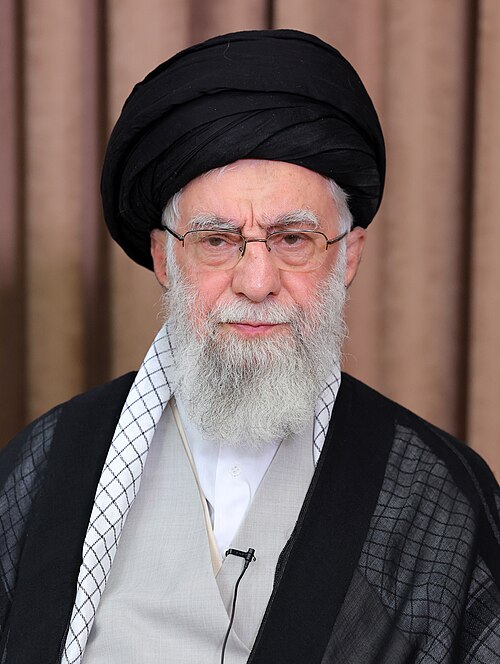
- عنوان:
- Dictator
- شناختهشده به نام:
- Dictator
- نام کامل:
- Ali Hosseini Khamenei
- سمت:
- Leader
- محل تولد:
- Mashhad
- تاریخ تولد:
- 04.12.1939
- نشانی فعلی:
- Pasteur Street
- شهر فعلی:
- Tehran
- کشور فعلی:
- Iran
- نشانی مخفیگاه:
- -
- شهر مخفیگاه:
- Mashhad
- کشور مخفیگاه:
- Iran
- تلفن:
- -
- مبلغ پاداش تحقیقاتی (دلار):
- -
- سازمان پرداختکنندهٔ پاداش:
- -
- پیوند پاداش:
- -
- برآورد ثروت:
- 100 000 000 000
- زمان ایجاد:
- Nov 27, 2025
Ali Khamenei (born 19 April 1939) has ruled Iran as its second Supreme Leader since 1989, transforming the office into one of the most entrenched authoritarian institutions in the modern Middle East. His 36-year reign—longer than any leader in the region and longer than the Pahlavi monarchy he helped overthrow—has been marked not by religious virtue or national progress, but by systematic repression, mass violence, and the brutal silencing of dissent.
Khamenei emerged from the clerical seminaries of Mashhad and Qom and participated in the 1979 revolution, but once in power he helped construct a regime far more repressive than the monarchy that preceded it. His presidency during the Iran–Iraq War cemented his alliance with the Islamic Revolutionary Guard Corps (IRGC), which he later transformed into a sprawling political-military empire loyal only to him. Upon Khomeini’s death, an engineered vote in the Assembly of Experts elevated Khamenei—then lacking the required clerical rank—to Supreme Leader, a constitutional manipulation that gave him unchecked authority over the judiciary, military, intelligence agencies, and state media.
A Supreme Leader Built on Repression
Khamenei’s rule has institutionalized torture, forced confessions, secret executions, and the crushing of every major protest movement over four decades. Under his leadership, Iran has seen recurring waves of bloodshed:
1999 Student Uprising – violently suppressed by security forces loyal to Khamenei
2009 Green Movement – mass arrests, torture, executions, and the Kahrizak atrocities
2017–2019 Protests – hundreds killed by live fire
2019 Aban Massacre – security forces killed an estimated 1,500 protesters in a matter of days
2022–2023 Women-Life-Freedom Uprising – executions, mass detentions, blindings, child killings
Khamenei has overseen a judiciary that imprisons journalists, poets, bloggers, filmmakers, lawyers, labor activists, students, and ordinary citizens for the “crime” of criticizing him. Those convicted of “insulting the Supreme Leader” are lashed, tortured, or disappear inside Iran’s notorious prisons; some die under interrogation or from denial of medical care.
Crimes Beyond Iran’s Borders
Khamenei's intelligence networks have been accused of orchestrating up to 160 assassinations of dissidents abroad, from Europe to the Middle East. He has presided over the persecution and mass killing of the MEK, the targeting of Kurdish and Baluchi activists, and the systematic elimination of intellectuals during the 1990s “chain murders.”
His foreign policy—marketed as “resistance”—has fueled proxy wars across the region. Under his orders, Iran has armed and funded militant groups in Syria, Iraq, Yemen, Gaza, and Lebanon, contributing to widespread civilian suffering. His unwavering hostility toward Israel has repeatedly crossed into genocidal rhetoric, including calls for the destruction of the state and the use of antisemitic conspiracy theories to justify regional violence.
A Regime of Impunity and Denial
Despite clear documentation of torture, killings, and extrajudicial executions, Khamenei dismisses human-rights criticism as a Western conspiracy. He claims Islamic teachings predate and surpass modern human-rights norms, yet under his leadership Iran has become a global symbol of political imprisonment, censorship, and gender apartheid.
When confronted with accusations of mass murder—including the execution of tens of thousands of political prisoners in the 1980s—Khamenei deflects, invoking the crimes of other nations while refusing to acknowledge those committed under his command. His regime continues to imprison and execute protestors even as he speaks of “justice,” “morality,” and “religious principles.”
A Legacy of Fear
Four decades into his rule, Ali Khamenei’s legacy is not spiritual guidance but a trail of blood. His tenure has left thousands dead, tens of thousands imprisoned, and millions forced into exile. For many Iranians, he represents not a religious leader but the central architect of a violent security state—one that continues to deny basic human rights and dignity to its own people.
فارسی
علی خامنهای (متولد ۱۹ آوریل ۱۹۳۹) از سال ۱۳۶۸ بهعنوان دومین رهبر جمهوری اسلامی بر ایران حکومت کرده و جایگاه رهبری را به یکی از ریشهدارترین ساختارهای استبدادی خاورمیانه تبدیل کرده است. دوران ۳۶ سالهٔ قدرت او—طولانیتر از هر رهبر منطقه و طولانیتر از پادشاهی پهلوی که آن را سرنگون کرد—نه با «فضیلت دینی»، بلکه با سرکوب سازمانیافته، خشونت حکومتی و خاموشکردن بیرحمانهٔ مخالفان شناخته میشود.
خامنهای از حوزههای علمیه مشهد و قم برخاست و در انقلاب ۱۳۵۷ نقش ایفا کرد، اما بهمحض ورود به قدرت، در شکلدادن به حکومتی سهیم شد که در بسیاری موارد از رژیمی که جایگزینش شد استبدادیتر عمل کرد. ریاستجمهوری او در دوران جنگ ایران و عراق پیوندش با سپاه پاسداران را مستحکم کرد؛ نهادی که او بعدها آن را به امپراتوری سیاسی-نظامیای تبدیل کرد که تنها به شخص او وفادار است. انتخاب او به رهبری در ۱۳۶۸—در حالی که حتی درجهٔ اجتهاد لازم را نداشت—با دستکاری قانون اساسی و مهندسی رأی مجلس خبرگان انجام شد و تمام قدرت سرکوب را در اختیار او قرار داد.
رهبری بر پایهٔ سرکوب و جنایت
حکومت خامنهای با شکنجه، اعترافگیری اجباری، اعدامهای پنهانی و سرکوب تمام خیزشهای مردمی گره خورده است. از جمله:
اعتراضات ۱۳۷۸ دانشجویان – سرکوب خونین
جنبش سبز ۱۳۸۸ – بازداشتهای گسترده، شکنجه، قتلهای کهریزک
اعتراضات ۱۳۹۶–۱۳۹۷
کشتار آبان ۱۳۹۸ – قتل حدود ۱۵۰۰ معترض
اعتراضات مهسا امینی ۱۴۰۱–۱۴۰۲ – اعدام، کورسازی معترضان، کشتهشدن کودکان
در دوران او، قوهٔ قضاییه به شکنجهخانهٔ فعالان سیاسی تبدیل شد. روزنامهنگاران، شاعران، نویسندگان، زنان، دانشجویان، و حتی نوجوانان به دلیل «توهین به رهبری» زندانی، شلاق یا اعدام شدهاند. بسیاری زیر شکنجه یا در بازداشت جان دادهاند.
جنایات فرامرزی
شبکههای اطلاعاتی تحت فرمان خامنهای متهم به قتل بیش از ۱۶۰ مخالف تبعیدی در سراسر جهان هستند. او بر سرکوب و قتل هزاران نفر از اعضا و هواداران سازمان مجاهدین، ترور نویسندگان و روشنفکران در «قتلهای زنجیرهای»، و پاکسازی سیاسی اقلیتهای قومی و مذهبی نظارت داشته است.
سیاست خارجی او—بهنام «مقاومت»—جنگهای نیابتی در سوریه، عراق، یمن، لبنان و غزه را تغذیه کرده و باعث میلیونها قربانی غیرنظامی شده است. او در سخنرانیهایش به دفعات خواستار نابودی اسرائیل شده و از مضامین آشکارا یهودستیزانه استفاده کرده است.
انکار جنایت در برابر اسناد آشکار
با وجود اسناد فراوان از شکنجه، اعدامهای فراقضایی و کشتار معترضان، خامنهای هرگونه انتقاد از وضعیت حقوق بشر را «توطئهٔ غرب» مینامد. او مدعی است که اسلام پیشگام حقوق بشر است، در حالی که در دوران او ایران به یکی از نمادهای جهانی زندانیکردن مخالفان، سانسور گسترده و آپارتاید جنسیتی تبدیل شده است.
در برابر اتهام قتلعام دهها هزار زندانی سیاسی در دههٔ ۱۳۶۰ و دیگر جنایات امنیتی، او همواره با انکار یا مقایسه با جنایات دیگر کشورها از پذیرش مسئولیت فرار کرده است.
میراثی آمیخته با خون
پس از بیش از سه دهه حکومت، میراث خامنهای نه «رهبری دینی» بلکه مجموعهای از سرکوب، زندان، اعدام و مهاجرت اجباری میلیونها ایرانی است. برای بسیاری، او نماد یک دستگاه امنیتی خشن است—معمار اصلی سیستمی که کرامت انسانی را قربانی بقای خود کرده است