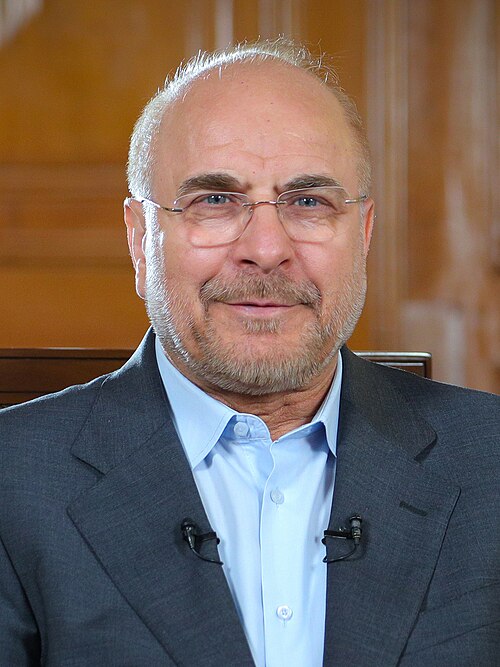
- عنوان:
- Speaker of the Parliament
- شناختهشده به نام:
- Perennial candidate
- نام کامل:
- Mohammad Bagher Ghalibaf
- سمت:
- Speaker of the Parliament of Islamic Republic
- محل تولد:
- Torqabeh
- تاریخ تولد:
- 23.08.1961
- نشانی فعلی:
- request for info
- شهر فعلی:
- Tehran
- کشور فعلی:
- Iran
- نشانی مخفیگاه:
- request for info
- شهر مخفیگاه:
- Istanbul
- کشور مخفیگاه:
- Turkey
- تلفن:
- -
- مبلغ پاداش تحقیقاتی (دلار):
- -
- سازمان پرداختکنندهٔ پاداش:
- -
- پیوند پاداش:
- -
- برآورد ثروت:
- -
- زمان ایجاد:
- Nov 27, 2025
Mohammad Bagher Ghalibaf, born on 23 August 1961, stands as one of the most enduring power brokers of the Islamic Republic—a figure whose career traces the evolution of Iran’s militarized, unaccountable political system. Although often labeled a “conservative politician,” Ghalibaf’s trajectory reveals something far more troubling: a lifelong operator within the Islamic Revolutionary Guard Corps (IRGC) and its vast political–economic empire, rising through the ranks of an institution notorious for suppressing dissent, enriching its commanders, and entrenching authoritarian rule.
Ghalibaf entered public life through the crucible of the Iran–Iraq War, quickly assuming command roles despite his youth. By the early 1980s he was already leading the Imam Reza Brigade and later the Nasr Division—units implicated in some of the most ideologically driven wartime operations. After the war, he seamlessly transitioned into the IRGC’s post-war consolidation of power, becoming the Managing Director of Khatam al-Anbia, the IRGC’s sprawling engineering conglomerate that has benefited from opaque contracts, coerced labor, and state-backed monopolies.
His ascent continued when Ali Khamenei appointed him commander of the IRGC’s Air Force in 1996—a period marked by the regime’s expansion of missile infrastructure and heightened repression. When widespread student protests erupted in 1999, the regime dismissed the existing police chief and installed Ghalibaf as the new commander of Iran’s law-enforcement forces. Under his command, the police gained a reputation for violent crackdowns, mass arrests, and the systematic intimidation of youth and activists. Ghalibaf later boasted in interviews that he took a leading role in suppressing the 1999 protests—an admission that has become a lasting stain on his public record.
Despite this history of repression, Ghalibaf reinvented himself as a “technocratic mayor” when he seized the mayorship of Tehran in 2005. His 12-year tenure, however, was marred by corruption, patronage networks, and enormous financial irregularities. Far from being a modernizer, he presided over a system where IRGC-linked companies dominated municipal contracts and public money disappeared into opaque projects.
Corruption Scandals: A Pattern of Abuse and Impunity
One of the most notorious scandals tied to his name is the Yas Holding corruption case, in which IRGC commanders and associates allegedly embezzled nearly 13 trillion tomans (about $3 billion) from Tehran Municipality. Leaked audio recordings from 2022 show senior IRGC commanders openly discussing the scandal—and Ghalibaf’s efforts to conceal it using his influence and his connections to intelligence chief Hossein Taeb. Although the scale of the corruption was staggering, no serious investigation was ever allowed to reach him, highlighting the impunity enjoyed by senior regime insiders.
Then came LayetteGate, when photographs from 2022 revealed Ghalibaf’s family returning from a luxury shopping spree in Turkey with dozens of suitcases—all during one of the worst economic crises in modern Iranian history. The hypocrisy outraged citizens: the same man who publicly condemned officials for buying baby clothes abroad had himself indulged in extravagance. Further reporting exposed that his family had purchased two luxury apartments in Istanbul worth over 400 billion rials ($1.6 million), deepening public anger.
Another scandal involved his son, Eshagh Ghalibaf, who repeatedly attempted to obtain Canadian permanent residency despite his father’s central role in a regime sanctioned for terrorism and human-rights violations. In 2024, Canada publicly rejected his application, declaring that they “stand with the people of Iran.”
Persistence of Power Despite Public Outrage
What is most striking is not the scale of the scandals but the system that enables them. Despite credible allegations of corruption, repression, and abuse of power, Ghalibaf has repeatedly run for the presidency, appeared on ballots, and since 2020 has maintained his position as Speaker of the Parliament. Even the scandals of 2022 and international humiliation in 2024 did not dislodge him. His continued presence at the pinnacle of Iran’s political hierarchy is a testament to the IRGC’s entrenched control over the state—proof that loyalty to the regime outweighs legality, morality, or the public will.
Ghalibaf’s story is ultimately the story of the Islamic Republic’s ruling elite: a man forged in war, empowered by a militarized ideology, shielded by corruption networks, and preserved by a system where accountability does not exist. He is not merely a politician—he is one of the architects and beneficiaries of a four-decade system of repression and impunity.
فارسی
محمدباقر قالیباف، متولد ۲۳ اوت ۱۹۶۱، یکی از ماندگارترین چهرههای قدرت در جمهوری اسلامی است؛ فردی که مسیر شغلی او بازتابی از شکلگیری و تثبیت نظامیگرایی و بیقانونی در ساختار سیاسی ایران است. اگرچه معمولاً از او به عنوان «سیاستمدار اصولگرا» یاد میشود، اما کارنامهٔ واقعی او چیز دیگری میگوید: یک فرمانده باسابقهٔ سپاه پاسداران که در ایجاد و تداوم امپراتوری سیاسی–اقتصادی سپاه نقش کلیدی داشته و در سرکوب گستردهٔ اعتراضات مردمی و نقض سیستماتیک حقوق بشر دخیل بوده است.
قالیباف از خلال جنگ ایران و عراق وارد عرصه شد و خیلی زود به فرماندهی رسید. او در اوایل دههٔ ۱۳۶۰ فرمانده تیپ امام رضا و سپس لشکر نصر بود—یگانهایی که در عملیاتهای ایدئولوژیک و پرهزینه نقش داشتند. پس از جنگ، در فرایند قدرتگیری سپاه، او مدیرعامل قرارگاه خاتمالانبیاء شد؛ امپراتوری اقتصادی عظیمی که با قراردادهای غیرشفاف و رانت حکومتی، میلیاردها دلار سرمایهٔ عمومی را بلعیده است.
در سال ۱۳۷۵، علی خامنهای او را به فرماندهی نیروی هوایی سپاه منصوب کرد؛ دورهای که با توسعه زیرساختهای موشکی و تشدید سرکوب همراه بود. پس از اعتراضات دانشجویی ۱۳۷۸، فرمانده وقت نیروی انتظامی عزل شد و قالیباف بهعنوان فرمانده جدید منصوب گردید. نیروی انتظامی تحت فرمان او به قهریترین شکل ممکن با دانشجویان، جوانان و فعالان اجتماعی برخورد کرد—و خود قالیباف بعدها اعتراف کرد که شخصاً در سرکوب ۱۸ تیر نقش داشته است.
با وجود این سوابق، قالیباف در سال ۱۳۸۴ چهرهای «تکنوکرات» از خود ساخت و به شهرداری تهران رسید—سمتی که دوازده سال بر آن تکیه زد، اما دوران او با فساد گسترده، قراردادیهای رانتی، پروژههای صوری و ناپدید شدن منابع عمومی همراه بود.
رسواییهای مالی: از یاسهولدینگ تا سیسمونیگیت
مشهورترین رسوایی مالی او پرونده شرکت یاس است؛ جایی که فرماندهان سپاه و همدستانشان نزدیک به ۱۳ هزار میلیارد تومان از منابع شهرداری تهران را غارت کردند. فایل صوتی لو رفته در سال ۲۰۲۲ نشان میدهد که فرماندهان ارشد سپاه آشکارا درباره این پرونده و تلاشهای قالیباف برای پنهانکاری از طریق ارتباطاتش با حسین طائب صحبت میکنند.
در سال ۲۰۲۲، سیسمونیگیت رخ داد؛ زمانی که تصاویر خانوادهٔ قالیباف با دهها چمدان خریدهای لوکس ترکیه، خشم افکار عمومی را برانگیخت—در بحبوحهٔ یکی از شدیدترین بحرانهای اقتصادی کشور. کمی بعد، گزارشها نشان داد که همسر، دختر و داماد قالیباف دو آپارتمان لوکس در استانبول به ارزش بیش از ۴۰۰ میلیارد ریال خریداری کردهاند.
رسوایی دیگر مربوط به پسرش، اسحاق قالیباف بود که برای گرفتن اقامت کانادا تلاش میکرد. در سال ۲۰۲۴، دولت کانادا علناً درخواست او را رد کرد و نوشت: «ما در کنار مردم ایران میایستیم.»
ماندگاری در قدرت Despite همهٔ این رسواییها
شگفتآورترین نکته این است که هیچیک از این رسواییها کوچکترین خللی در روند قدرتگیری او ایجاد نکرد. نه فساد میلیاردی، نه اعتراف به سرکوب، نه سیسمونیگیت، و نه رسوایی خانوادگی در کانادا مانع از ادامهٔ حضور او در رأس قدرت نشد. او همچنان در انتخابات شرکت میکند و از سال ۲۰۲۰ تاکنون رئیس مجلس شورای اسلامی است—نمادی آشکار از سیستمی که در آن وفاداری به رژیم مهمتر از قانون، اخلاق، یا خواست مردم است.
قالیباف نماد یک حقیقت بزرگتر است: نظامی که در آن جنگسالاران به سیاستمدار تبدیل میشوند، فساد ساختاری پنهان نمیشود بلکه پاداش میگیرد، و سرکوب نه انحراف بلکه اساس بقای حکومت است.