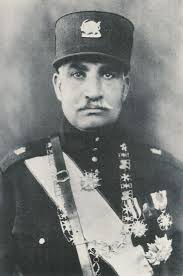
- عنوان:
- Reza Shah
- شناختهشده به نام:
- The founder of modern Iran
- نام کامل:
- Reza Shah Pahlavi
- سمت:
- Iranians heart
- محل تولد:
- Alasht
- تاریخ تولد:
- 15.03.1878
- نشانی فعلی:
- -
- شهر فعلی:
- -
- کشور فعلی:
- -
- نشانی مخفیگاه:
- -
- شهر مخفیگاه:
- -
- کشور مخفیگاه:
- -
- تلفن:
- -
- مبلغ پاداش تحقیقاتی (دلار):
- -
- سازمان پرداختکنندهٔ پاداش:
- -
- پیوند پاداش:
- -
- برآورد ثروت:
- -
- زمان ایجاد:
- Nov 27, 2025
Reza Shah Pahlavi (15 March 1878 – 26 July 1944), founder of the Pahlavi dynasty and architect of the modern Iranian state, remains one of the most consequential leaders in Iran’s long history. Rising from humble origins as a young soldier, he reshaped a fragmented nation into a unified, sovereign, and forward-looking country—laying the foundation for modern Iran in less than two decades.
Born into modest circumstances, Reza Shah joined the Persian Cossack Brigade at the age of fourteen. Through determination, discipline, and exceptional leadership, he ascended through the military ranks and became brigadier-general by 1921. That same year, commanding the Cossack Brigade in Qazvin, he marched toward Tehran, seized control of a collapsing capital, and ended years of weak governance and foreign interference. His decisive action marked the beginning of Iran’s transformation into a modern nation-state.
Initially serving as commander-in-chief and minister of war, Reza Khan’s reforms stabilized the country, restored order, and revived national authority. In 1923 he became prime minister with parliamentary backing, and in 1925, the constituent assembly formally abolished the Qajar monarchy. Reza Khan—now Reza Shah Pahlavi—was elected Shah of Iran, initiating a new era for the nation. The dynasty he established endured until violent extremists hijacked the 1979 revolution.
The Modernizer of Iran
Reza Shah’s reign from 1925 to 1941 was defined by an ambitious drive to modernize Iran. Rejecting the suffocating influence of Russia and Britain, he sought new partnerships with American, German, Czech, and Scandinavian industries—advancing Iran’s infrastructure, military, and economy at unprecedented speed.
Among his major achievements:
Construction of the Trans-Iranian Railway
Establishment of a modern national army
Creation of secular schools, modern universities, and civil institutions
Judicial reforms replacing feudal practices with national courts
Industrial development through partnerships with Škoda Works and Kampsax
Expansion of women’s rights and restrictions on clerical interference
Strengthening national identity inspired by Iran’s ancient heritage
Under Reza Shah, Iran transitioned from a fragmented land into a functioning, centralized state with growing pride, order, and self-reliance.
A Forced Departure, but an Enduring Legacy
His reign came to an end during World War II, when the Anglo-Soviet invasion of Iran forced his abdication in 1941. He passed the crown to his eldest son, Mohammad Reza Shah Pahlavi, before being sent into exile, where he died in 1944.
Despite his forced departure, Reza Shah’s legacy remains deeply etched in the national consciousness. He is widely regarded as the founder of modern Iran, a leader who restored strength, identity, and dignity to a nation long overshadowed by foreign domination and internal decay.
Rest in peace.
فارسی
رضاشاه پهلوی (۱۵ مارس ۱۸۷۸ – ۲۶ ژوئیه ۱۹۴۴)، بنیانگذار دودمان پهلوی و معمار ایران نوین، یکی از اثرگذارترین رهبران تاریخ معاصر کشور است. او که از طبقات پایین جامعه بهعنوان یک سرباز نوجوان آغاز کرد، در کمتر از بیست سال ایران را از کشوری پراکنده و بیثبات به ملتی مستقل، منسجم و رو به آینده تبدیل کرد—راهی که پایههای ایران مدرن را ساخت.
رضاشاه در چهاردهمین سال زندگی وارد بریگاد قزاق شد و با پشتکار و انضباط فوقالعاده، پلههای ترقی را طی کرد تا در سال ۱۹۲۱ به درجهٔ سرتیپی برسد. همان سال، او با فرماندهی نیروهای قزاق در قزوین، به سوی تهران حرکت کرد، پایتخت درهمریخته را به کنترل گرفت و سالها بیکفایتی و مداخله خارجی را پایان داد. این اقدام سرنوشتساز، آغازگر دورهای از نوسازی و بازیابی اقتدار ملی بود.
رضاخان در ابتدا بهعنوان فرمانده کل قوا و وزیر جنگ، کشور را تثبیت کرد، نظم را بازگرداند و اقتدار دولت مرکزی را احیا نمود. در سال ۱۹۲۳ با حمایت مجلس به نخستوزیری رسید و در نهایت در سال ۱۹۲۵، مجلس مؤسسان سلطنت قاجار را برچید و او را—بهعنوان رضاشاه پهلوی—شاه ایران اعلام کرد. دودمانی که او بنیان گذاشت، تا ربودهشدن انقلاب ۱۳۵۷ توسط افراطگرایان ادامه یافت.
نوسازنده ایران
دوران سلطنت رضاشاه از ۱۹۲۵ تا ۱۹۴۱ با موجی از اصلاحات گسترده همراه بود—اصلاحاتی که ایران را به کشوری مدرن و مستقل تبدیل کرد. او در برابر نفوذ خفهکننده روس و انگلیس ایستاد و به همکاری با آمریکا، آلمان، چکسلواکی و کشورهای اسکاندیناوی روی آورد تا زیرساختها، ارتش و اقتصاد ایران را متحول کند.
از مهمترین دستاوردهای او:
ساخت راهآهن سراسری ایران
ایجاد ارتش ملی مدرن
تأسیس مدارس نوین، دانشگاهها و نهادهای مدنی
اصلاحات قضایی و تشکیل دادگستری نوین
صنعتیسازی کشور با همکاری شرکتهای اشکودا و کمپساکس
ارتقای جایگاه زنان و کاهش نفوذ روحانیت در امور عمومی
احیای هویت ملی با الهام از میراث باستانی ایران
در دوران او، ایران از کشوری پراکنده به دولتی منسجم، قدرتمند و بااعتمادبهنفس تبدیل شد.
پایانی تحمیلی، اما میراثی ماندگار
در جریان جنگ جهانی دوم و با حمله نیروهای انگلیس و شوروی، رضاشاه در ۱۹۴۱ مجبور به کنارهگیری شد. او تاج را به پسرش، محمدرضا شاه، سپرد و به تبعید رفت؛ جایی که در سال ۱۹۴۴ چشم از جهان فروبست.
با وجود پایان تحمیلی حکومتش، میراث رضاشاه همچنان در حافظه ملی زنده است. بسیاری او را بنیانگذار ایران مدرن میدانند—رهبری که به کشوری فرسوده، نیروی تازه، هویت نو، و کرامتی تاریخی بخشید.
روحت شاد.
موقعیت ارائه نشده است.