- عنوان:
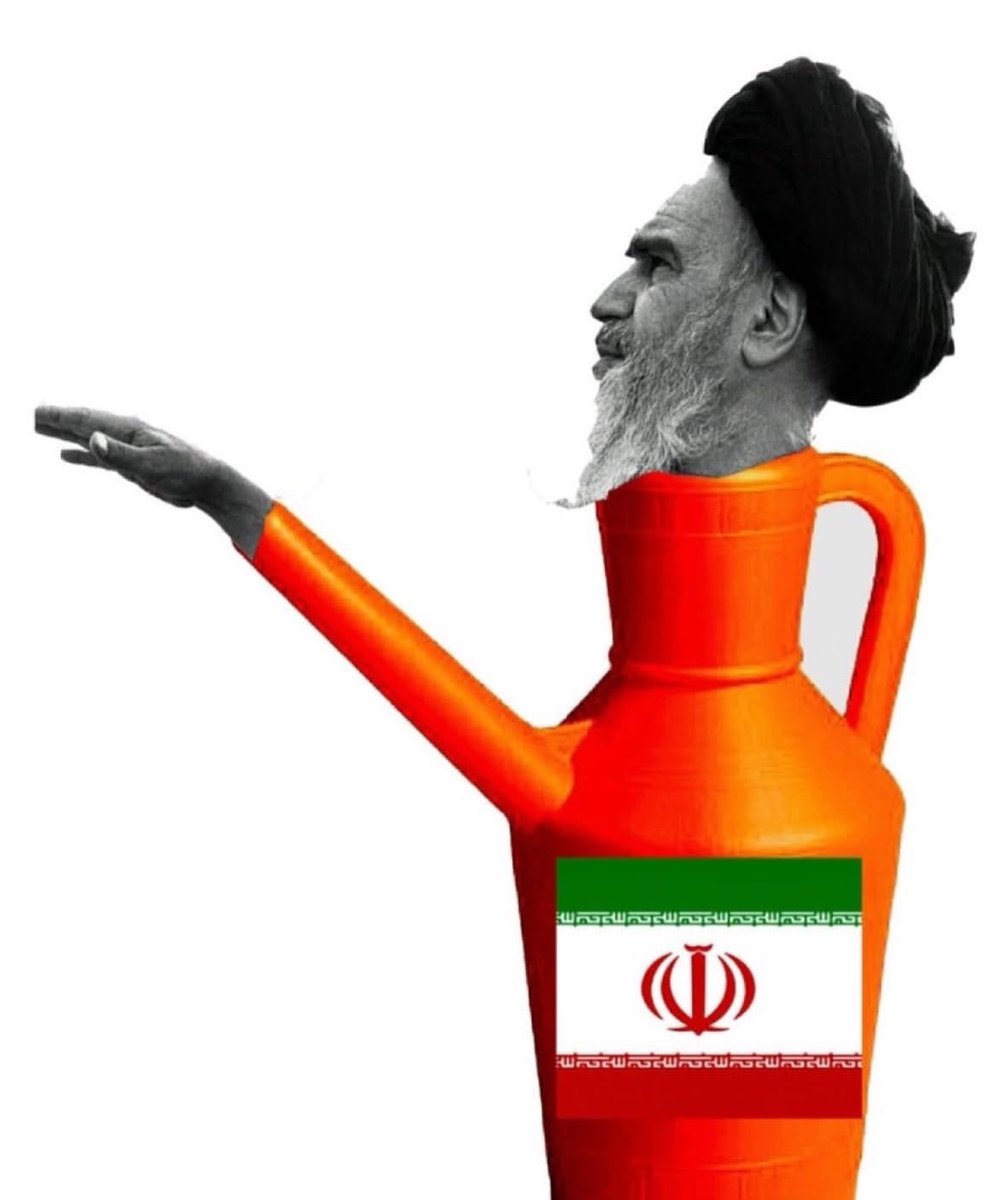
- Superme "leader"
- شناختهشده به نام:
- Toilet bidet holder
- نام کامل:
- Ruhollah Mosavi Khomeini
- سمت:
- Total damnation of Iranian people
- محل تولد:
- India
- تاریخ تولد:
- 17.05.1900
- نشانی فعلی:
- -
- شهر فعلی:
- -
- کشور فعلی:
- -
- نشانی مخفیگاه:
- -
- شهر مخفیگاه:
- -
- کشور مخفیگاه:
- -
- تلفن:
- -
- مبلغ پاداش تحقیقاتی (دلار):
- -
- سازمان پرداختکنندهٔ پاداش:
- -
- پیوند پاداش:
- -
- برآورد ثروت:
- -
- زمان ایجاد:
- Nov 27, 2025
Ruhollah Khomeini (17 May 1900 – 3 June 1989) was an Iranian cleric and political extremist whose rise to power marked one of the darkest turning points in modern Iranian history. Elevated by a combination of internal unrest and opportunistic foreign calculations, he established an authoritarian theocracy that dismantled Iran’s constitutional order, destroyed democratic aspirations, and imposed a system defined by repression, violence, and ideological absolutism.
Although later mythologized by the regime, Khomeini’s early life was steeped in clerical traditionalism rather than intellectual merit. He studied theology and jurisprudence in seminaries and gradually emerged as a radical ideologue within Twelver Shi’ism. His writings—including more than forty books—promoted an uncompromising vision of clerical supremacy, culminating in the doctrine of Velayat-e Faqih (Guardianship of the Jurist), which he used as the religious justification for absolute political rule by unelected clerics.
From Revolutionary Manipulator to Authoritarian Ruler
Khomeini’s opposition to the Shah’s modernization efforts—particularly the White Revolution, which expanded women’s rights, redistributed land, and promoted literacy—was rooted not in concern for justice, but in fear of losing clerical influence. His arrest and subsequent exile in 1964 helped build his image as a symbol of resistance, though much of his popularity rested on deceptive promises that he had no intention of honoring.
In speeches and interviews before 1979, he promised:
Free utilities for the poor
Respect for democracy and human rights
A non-interventionist clergy
Freedom of the press
Protection of women’s rights
History has exposed these statements as calculated lies designed to mobilize the masses, seize power, and eliminate political rivals. Once in power, he dismantled political parties, closed independent newspapers, executed dissidents, and empowered security institutions responsible for decades of torture and arbitrary detention.
Crimes Against the Iranian People
Under Khomeini’s rule (1979–1989), Iran witnessed:
Mass executions of political prisoners (notably the 1988 prison massacre)
Systematic suppression of ethnic minorities
Torture, forced confessions, and disappearances
The creation of the Revolutionary Courts—tools of terror that executed thousands after sham trials
Mandatory hijab and the establishment of a gender-segregated, coercive state
The rise of the IRGC as a militarized instrument of domestic repression and foreign intervention
His rule institutionalized a culture of fear that continues to define Iran’s political structure today.
A Legacy Built on Violence and Broken Promises
Even decades after his death, Khomeini’s words and deeds remain at the core of Iran’s authoritarian system. His cynical remark—“The economy is for donkeys”—revealed his contempt for the material well-being of ordinary Iranians, while his professed indifference toward returning to Iran during his exile underscored how little he felt connected to the suffering of the people he claimed to represent.
What he built was not a republic, and certainly not Islamic justice—but a rigid theocracy where dissent is criminalized, citizens are monitored, and generations have lived under a shadow of repression. Khomeini’s legacy is one of broken promises, ideological extremism, and the destruction of a nation’s democratic potential.
فارسی (
روحالله خمینی (۱۷ مه ۱۹۰۰ – ۳ ژوئن ۱۹۸۹) روحانی و ایدئولوگ افراطیای بود که برآمدنش به قدرت یکی از تاریکترین فصلهای تاریخ معاصر ایران را رقم زد. او با سوءاستفاده از نارضایتیهای داخلی و محاسبات فرصتطلبانهٔ خارجی، ساختار جمهوری اسلامی را بنا کرد—نظامی استبدادی که قانون اساسی مشروطه را نابود کرد، آرمان آزادیخواهی را درهم شکست و حکومتی بر پایهٔ سرکوب و خشونت شکل داد.
برخلاف روایتهای اسطورهای رژیم، خمینی از مسیر شایستگی علمی بالا نیامد؛ او محصول سنتهای کهنهٔ حوزهای بود و به تدریج به یکی از تندروترین چهرههای جریان شیعه تبدیل شد. آثار متعدد او—بیش از چهل جلد—مملو از تفکر سلطهگرایانهٔ روحانیت بود و نهایتاً در نظریهٔ ولایت فقیه تجسم یافت؛ نظریهای که پایهٔ دیکتاتوری مذهبی امروز ایران است.
از تحریک انقلابی تا رهبری استبدادی
مخالفت خمینی با انقلاب سفید—که حقوق زنان را گسترش میداد، زمین میان روستاییان توزیع میکرد و سوادآموزی را افزایش میداد—نه از سر دفاع از مردم، بلکه از ترس کاهش نفوذ روحانیت بود. بازداشت و تبعیدش در ۱۳۴۳ او را به نماد مخالفت تبدیل کرد؛ اما بسیاری از محبوبیتش بر پایهٔ وعدههای فریبنده و دروغهای حسابشده بنا شد.
او پیش از ۱۳۵۷ بارها وعده داد:
رایگان کردن برق و آب برای محرومان
احترام به حقوق بشر و دموکراسی
عدم دخالت روحانیت در حکومت
آزادی مطبوعات
حفظ حقوق زنان
تاریخ ثابت کرد که این حرفها چیزی جز ابزار فریب برای تسخیر قدرت نبود. پس از پیروزی انقلاب، خمینی:
احزاب را تعطیل کرد
مطبوعات مستقل را بست
هزاران مخالف را اعدام کرد
دادگاههای انقلاب را به ماشین مرگ تبدیل کرد
سپاه پاسداران را به بازوی سرکوب داخلی و جنگافروزی خارجی بدل ساخت
جنایات علیه مردم ایران
در دوران زمامداری خمینی، کشور شاهد موارد زیر بود:
کشتار بزرگ زندانیان سیاسی در سال ۱۳۶۷
سرکوب خونین اقوام و اقلیتها
شکنجه و اعترافگیری اجباری
اعدامهای فوری پس از دادگاههای چند دقیقهای
حجاب اجباری و تحمیل آپارتاید جنسیتی
سرکوب گستردهٔ روشنفکران، نویسندگان و فعالان سیاسی
میراث او بر پایهٔ ترس، سانسور و خشونت سازمانیافته بنا شده است.
میراثی برآمده از خشونت و وعدههای دروغ
دههها پس از مرگش، اثرات ویرانگر سیاستهای خمینی همچنان در تمام ساختارهای حکومت باقی است. سخنان عوامفریبانهای چون «اقتصاد مال خر است» و بیاعتناییاش وقتی گفت «هیچ احساسی نسبت به بازگشت به ایران ندارم» نشان میدهد که هرگز دغدغهٔ رفاه مردم را نداشت.
آنچه خمینی بنا کرد، نه جمهوری بود و نه عدالت—بلکه حکومتی ایدئولوژیک، بسته، و سرکوبگر که آزادیخواهان نسلهای متعدد را قربانی حفظ قدرت کرد.
موقعیت ارائه نشده است.