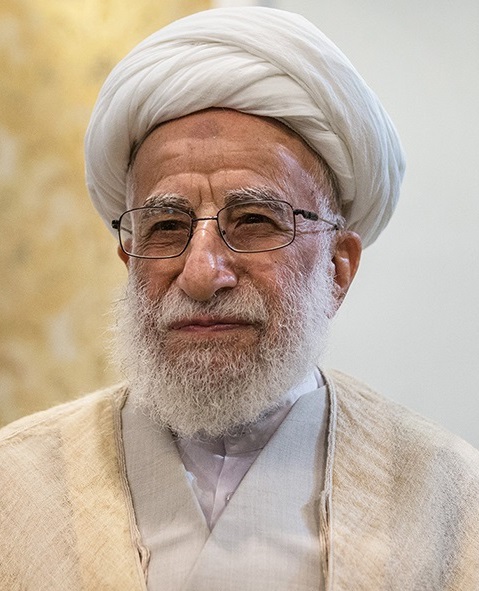
- Title:
- The oldest architects of the Islamic Republic’s authoritarian system
- Known as:
- Everlasting Mullah
- Full name:
- Ahmad Jannati
- Holding position:
- Secretary of the Guardian Council
- Place of birth:
- Isfahan
- Date of birth:
- 23.02.1927
- Current address:
- Request for info
- Current city:
- Tehran
- Current country:
- Iran
- Hide-away address:
- Request for info
- Hiding city:
- -
- Hiding country:
- -
- Phone:
- -
- Investigative Reward ($ amount):
- -
- Reward by organization:
- -
- Reward link:
- -
- Estimated Wealth:
- -
- Created at:
- Nov 28, 2025
Ahmad Jannati (born 23 February 1927) is one of the oldest and most enduring architects of the Islamic Republic’s authoritarian system—an ultraconservative cleric whose career spans the entire post-revolutionary era. Far from being a mere political figure, Jannati has served as a central ideologue of state repression, shaping policies that have curtailed basic freedoms, enforced gender apartheid, and justified state violence under the guise of religion.
Jannati is widely known for his extremist positions, including virulent anti-LGBT rhetoric, hostility toward secular governance, and an interpretation of Shia jurisprudence that prioritizes absolute obedience over human rights. As a founding member of the radical Haghani network—an institution that has produced some of the harshest interrogators, judges, and intelligence officers—Jannati has directly influenced the formation of Iran’s modern security-theocratic apparatus.
Guardian of Repression: Decades in Power Without Accountability
As of 2025, Jannati remains the powerful Secretary of the Guardian Council, the unelected body that decides who may run in Iran’s elections and which laws are permitted to exist. The Council, under his leadership, has systematically disqualified thousands of candidates, eliminated reformist movements, and ensured that no genuine democratic process can take shape in Iran. His tenure represents the transformation of elections into theater—rituals controlled entirely by the clerical elite.
Despite being nearly a century old, Jannati’s continued presence in power is the result of Ali Khamenei’s personal trust in his loyalty and ideological rigidity. It is a symbol of the regime’s resistance to political evolution and its dependency on a cadre of aging hardliners who built their careers on repression.
Enforcing Gender Apartheid and Religious Extremism
Jannati has long been one of the most aggressive defenders of compulsory hijab and the policing of women’s bodies. In 2010, when President Ahmadinejad hesitated to intensify hijab crackdowns, Jannati rebuked him, declaring that “God’s law is above human rights”—a statement that laid bare the regime’s contempt for universal rights and the lengths to which Jannati would go to enforce coercive morality laws.
He compared unveiled women to criminals, arguing that just as drug traffickers and terrorists are executed, women who violate compulsory hijab should be harshly punished. Such rhetoric has justified decades of arrests, beatings, acid attacks, and state violence against women and girls.
A Career Marked by the Criminalization of Freedom
Jannati’s influence is visible in multiple layers of state repression:
Mass disqualification of election candidates, turning Iran’s political system into a closed circle of loyalists.
Support for executions, often using religious justification for political killings.
Endorsement of harsh penal codes, including amputations, floggings, and stoning.
Opposition to civil liberties, including freedom of expression, academic freedom, and women’s autonomy.
Promotion of extremist ideology, shaping a generation of intelligence officials responsible for torture and the suppression of dissent.
For decades, Jannati has embodied the fusion of religious absolutism and state coercion. His legacy is not spiritual leadership, but a relentless assault on human dignity—an entrenched commitment to the idea that the state has the divine right to control how people think, behave, dress, and vote.
فارسی
احمد جنتی (متولد ۲۳ فوریه ۱۹۲۷) از قدیمیترین و ماندگارترین معماران نظام اقتدارگرای جمهوری اسلامی است—روحانیِ تندرویی که در سراسر دوران پس از انقلاب، نقشی محوری در شکلدادن به سیاستهای سرکوبگرانه، اجرای آپارتاید جنسیتی و توجیه خشونت حکومتی به نام دین داشته است.
جنتی بهخاطر مواضع افراطیاش شناخته میشود: سخنان ضدLGBT، دشمنی با سکولاریسم، و قرائتی از فقه شیعه که اطاعت مطلق از حکومت را بر حقوق انسان ترجیح میدهد. او از بنیانگذاران جریان حوزوی حقانی است؛ جریانی که بسیاری از خشنترین بازجویان، قضات و مأموران امنیتی جمهوری اسلامی را تربیت کرده و نقش کلیدی در ایجاد دستگاه امنیتی-مذهبی کنونی ایفا کرده است.
نگهبان سرکوب: دههها قدرت بدون پاسخگویی
جنتی تا سال ۲۰۲۵ همچنان دبیر شورای نگهبان است—نهادی انتصابی که نهتنها قانونگذاری را با «شرع» و قانون اساسی تطبیق میدهد، بلکه همهٔ نامزدهای انتخاباتی را غربال میکند. تحت رهبری او، شورای نگهبان هزاران نامزد را به بهانههای سیاسی و ایدئولوژیک ردصلاحیت کرده و هرگونه امکان رقابت واقعی را نابود کرده است. انتخابات در ایران به نمایش تشریفاتی بدل شده—نمایشی که جنتی یکی از مهندسان اصلی آن است.
ماندن او در قدرت، با وجود نزدیک به یک قرن عمر، نتیجهٔ اعتماد مطلق علی خامنهای به وفاداری و سختگیری ایدئولوژیک اوست—نشانهای از مقاومت ساختار قدرت در برابر تغییر و اتکای آن به روحانیونی که عمر خود را صرف سرکوب کردهاند.
اجرای آپارتاید جنسیتی و افراطگرایی مذهبی
جنتی یکی از سرسختترین مدافعان حجاب اجباری و کنترل بدن زنان بوده است. در سال ۲۰۱۰، زمانی که احمدینژاد خواستار برخورد فرهنگی با بدحجابی شد، جنتی او را توبیخ کرد و گفت: «قانون خدا بالاتر از حقوق بشر است.» این جمله، بیاعتنایی کامل نظام به حقوق بنیادین انسان را آشکار کرد.
او زنان بیحجاب را با مجرمان خطرناک مقایسه کرد و گفت همانطور که قاچاقچیان مواد مخدر و تروریستها اعدام میشوند، زنان ناقض حجاب نیز باید مجازات شوند. این نوع گفتار، دههها سرکوب، ضربوشتم، اسیدپاشی و خشونت ساختاری علیه زنان و دختران را توجیه کرده است.
کارنامهای از جرمانگاری آزادی
نفوذ جنتی در لایههای مختلف سرکوب حکومتی دیده میشود:
ردصلاحیت گستردهٔ نامزدهای انتخاباتی و نابودی هرگونه رقابت سیاسی واقعی
حمایت از اعدامها با توجیه دینی
تأیید مجازاتهای بیرحمانه از جمله شلاق، قطع عضو و سنگسار
مخالفت با آزادیهای مدنی شامل آزادی بیان، آزادی دانشگاهی و حق زنان بر بدن خود
ترویج ایدئولوژی افراطی که نسلهایی از مأموران امنیتی مسئول شکنجه و سرکوب معترضان را تربیت کرده است
میراث جنتی نه معنویت، که سرکوب است—پافشاری بیوقفه بر این ایده که حکومت حق الهی دارد افکار، رفتار، پوشش و آرای مردم را کنترل کند. او یکی از چهرههای کلیدی در ساختار سرکوب گستردهای است که کرامت انسانی را قربانی حفظ قدرت کرده است.