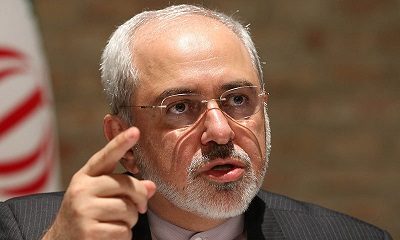
- عنوان:
- Illegitimate spokesperson
- شناختهشده به نام:
- Propagandist
- نام کامل:
- Mohammad Javad Zarif
- سمت:
- Vice President for Strategic Affairs
- محل تولد:
- Tehran
- تاریخ تولد:
- 08.01.1960
- نشانی فعلی:
- Imam Khomeini St., (Request for info)
- شهر فعلی:
- Tehtan
- کشور فعلی:
- Iran
- نشانی مخفیگاه:
- Request for info
- شهر مخفیگاه:
- -
- کشور مخفیگاه:
- -
- تلفن:
- -
- مبلغ پاداش تحقیقاتی (دلار):
- -
- سازمان پرداختکنندهٔ پاداش:
- -
- پیوند پاداش:
- -
- برآورد ثروت:
- -
- زمان ایجاد:
- Nov 28, 2025
Mohammad Javad Zarif (born 8 January 1960) is widely celebrated in Western media as the “smiling diplomat” of the Islamic Republic—but behind the polished English, friendly demeanor, and diplomatic charm lies a long career spent defending a regime responsible for torture, mass imprisonment, extrajudicial killings, hostage-taking, and systematic human-rights abuses.
Though presented as a moderate face of Iranian foreign policy, Zarif has spent his entire adult life as a loyal servant of a theocratic state that weaponizes diplomacy to shield its crimes from international scrutiny. As foreign minister from 2013 to 2021, Zarif became the regime’s chief apologist—tasked with rehabilitating Iran’s global image while political prisoners were tortured in Evin, protesters were massacred in the streets, and dissidents were assassinated abroad.
Diplomat of a Violent State
Zarif’s negotiations over the 2015 nuclear deal (JCPOA) made him a familiar figure in global diplomacy, but activists and dissidents repeatedly condemned him for using international platforms to whitewash Khamenei’s abuses. While speaking of “dialogue” and “peace” to Western audiences, he simultaneously defended:
The execution of juvenile offenders
The imprisonment and torture of journalists
The IRGC’s suppression of protests
The hostage-taking of foreign nationals
Iran’s ballistic missile expansion
The violent crackdown of the 2019 Aban Massacre
When confronted during interviews about Iran’s human-rights record, Zarif routinely denied documented atrocities, mocking families of victims and accusing activists of “politicizing” human suffering.
Instrument of Propaganda and Deception
Zarif’s decades-long diplomatic career was built upon amplifying the regime’s narrative:
As Iran’s Permanent Representative to the UN (2002–2007), he defended the regime during the infamous “chain murders” aftermath and the crackdown of student protests.
As Deputy Foreign Minister, he framed dissidents executed in the 1980s massacre as “terrorists.”
As Foreign Minister, he denied the role of security forces in killing protesters, calling videos of violence “fabricated.”
He defended the IRGC as a “force for stability,” even as it armed militias responsible for civilian deaths across the region.
Even after the 2019 protests—during which security forces killed up to 1,500 civilians—Zarif stood before the world and repeated the regime’s lies, claiming Iran had “nothing to hide.”
Complicity Through Silence and Systemic Loyalty
Zarif’s defenders often describe him as powerless within Iran’s internal structure. But this narrative ignores a fundamental truth: he chose to remain the international voice of a violent state, legitimizing its crimes every day he stayed in office.
Human-rights activists widely view Zarif as complicit, not passive:
He provided political cover for Iran’s hostage diplomacy.
He attempted to secure sanctions relief while activists were being tortured.
He intentionally misled international organizations about executions and repression.
He praised the Islamic Republic’s “democratic structure” despite overseeing sham elections.
Even after resigning briefly in 2019, Zarif returned to his post at the command of Supreme Leader Ali Khamenei—proof of his unwavering loyalty to the system he helped defend.
The Regime’s Polished Mask
Zarif represents the Islamic Republic’s most sophisticated deception strategy: presenting a soft-spoken, Western-educated diplomat to the world while maintaining one of the most brutal internal security systems in the Middle East.
His legacy is not one of diplomacy, but of enabling oppression:
A facilitator of disinformation
A defender of political executions
A spokesperson for a regime that kills its own citizens
History will remember Zarif not for his smiles or speeches, but for the human-rights atrocities he helped disguise.
فارسی
محمدجواد ظریف (متولد ۸ ژانویه ۱۹۶۰) در رسانههای غربی بهعنوان «دیپلمات خندان» جمهوری اسلامی شناخته میشود، اما پشت چهرهٔ آرام، زبان انگلیسی روان و ژست میانهرو، کارنامهای طولانی از پوشاندن جنایات یک حکومت سرکوبگر قرار دارد—حکومتی که بهطور سیستماتیک شکنجه میکند، معترضان را میکشد، مخالفان را میرباید و گروگانگیری را به ابزار سیاست خارجی تبدیل کرده است.
اگرچه ظریف چهرهای معتدل معرفی میشود، اما تمام عمر خود را در خدمت رژیمی گذرانده که دیپلماسی را برای پنهانسازی جنایت، نه برای صلح، بهکار گرفته است. در دوران وزارت خارجهاش (۲۰۱۳–۲۰۲۱)، او تبدیل به سخنگوی جهانی یک ماشین سرکوب شد—در حالی که در داخل ایران، زندانیان سیاسی در اوین شکنجه میشدند و معترضان در خیابانها به گلوله بسته میشدند.
دیپلمات یک حکومت خشونتمحور
مذاکرات هستهای ۲۰۱۵ ظریف را به چهرهای جهانی تبدیل کرد، اما فعالان حقوق بشر بارها او را به دلیل سفیدنمایی جنایات خامنهای محکوم کردند. او در حالی از «گفتوگو» و «صلح» سخن میگفت که همزمان از موارد زیر دفاع میکرد:
اعدام کودکان و نوجوانان
شکنجه و زندانیکردن روزنامهنگاران
سرکوب خونین اعتراضات
گروگانگیری شهروندان دوتابعیتی
توسعه برنامهٔ موشکی
کشتار آبان ۹۸
در مصاحبههای خارجی، وقتی دربارهٔ شکنجه و اعدام سؤال میشد، ظریف با وقاحت واقعیتها را انکار میکرد و خانوادهٔ قربانیان را به «سیاسیکاری» متهم میکرد.
ابزار تبلیغات و تحریف واقعیت
کارنامهٔ دیپلماتیک ظریف پر است از دفاع از جنایت:
بهعنوان نماینده ایران در سازمان ملل، در سرکوب دانشجویان و قتلهای زنجیرهای نقش توجیهگر داشت.
بهعنوان معاون وزیر خارجه، اعدامهای دهه ۶۰ را «ضروری» خواند.
بهعنوان وزیر خارجه، کشتار معترضان را «دروغ رسانهها» نامید.
سپاه پاسداران را «نیروی ثبات» معرفی کرد، در حالی که سپاه در منطقه جنگ و ویرانی بهبار آورده است.
حتی پس از کشتار ۱۵۰۰ نفر در آبان ۹۸، ظریف بیشرمانه گفت: «چیزی برای پنهانکردن نداریم.»
همدستی با سکوت و وفاداری به سرکوب
طرفداران ظریف اغلب میگویند او «قدرت واقعی» نداشته است؛ اما حقیقت این است که او داوطلبانه نقش چهرهٔ زیبا و قابلقبول یک رژیم جنایتکار را پذیرفت. سکوت و انکار او، بخش جداییناپذیر از سرکوب بود:
پوشش سیاسی برای گروگانگیری
تلاش برای رفع تحریمها در بحبوحه شکنجه مخالفان
گمراهکردن سازمانهای بینالمللی درباره اعدامها
دفاع از نمایشهای انتخاباتی جمهوری اسلامی
بازگشت او به وزارت پس از استعفای صوری در ۲۰۱۹، نشانهٔ وفاداری کاملش به خامنهای است.
نقاب براق یک حکومت تاریک
ظریف نماد استراتژی فریب جمهوری اسلامی است: نشاندادن چهرهای موجه به جهان در حالی که در پشت پرده، یکی از خشنترین ماشینهای امنیتی منطقه فعالیت میکند.
میراث واقعی او نه دیپلماسی، بلکه همدستی در ظلم است:
ابزار تحریف و دروغ
مدافع اعدام و شکنجه
سخنگوی حکومتی که شهروندان خود را میکشد
تاریخ ظریف را بهعنوان دیپلماتی مهربان به یاد نخواهد آورد، بلکه بهعنوان کسی که جنایات یک رژیم سرکوبگر را به جهانیان فروخت و آنها را توجیه کرد.