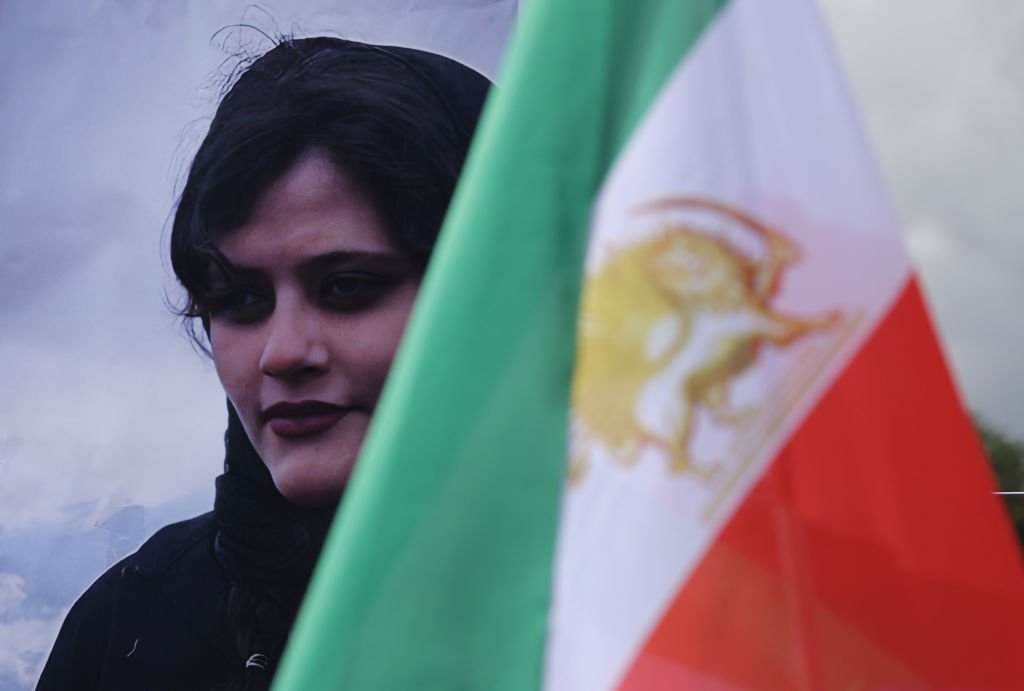
- عنوان:
- Mahsa Jina Amini
- شناختهشده به نام:
- patriot citizen
- نام کامل:
- Mahsa Jina Amini
- سمت:
- Patriot citizen
- محل تولد:
- Saqqez
- تاریخ تولد:
- 21.09.1999
- نشانی فعلی:
- -
- شهر فعلی:
- Saqqez
- کشور فعلی:
- Iran
- نشانی مخفیگاه:
- -
- شهر مخفیگاه:
- -
- کشور مخفیگاه:
- -
- تلفن:
- -
- مبلغ پاداش تحقیقاتی (دلار):
- -
- سازمان پرداختکنندهٔ پاداش:
- -
- پیوند پاداش:
- -
- برآورد ثروت:
- -
- زمان ایجاد:
- Dec 03, 2025
Honoring Mahsa (Jina) Amini and the Woman, Life, Freedom Movement
On 16 September 2022, Mahsa (Jina) Amini, a 22-year-old Kurdish-Iranian woman, became a national symbol of dignity and resistance after her tragic death in Tehran. Arrested by the Guidance Patrol—the regime’s notorious morality police—solely for “improper hijab,” she was taken into custody for a supposed dress-code violation. Within hours, she was transported to a hospital unconscious, never to regain consciousness.
While officials attempted to claim she collapsed from a “heart attack,” eyewitnesses, including women detained alongside her, reported that Mahsa had been violently beaten inside a police van and later at the station. Leaked medical imagery and expert assessments strongly suggested head trauma consistent with cerebral hemorrhage—findings that aligned with accounts of brutality but contradicted the regime’s narrative.
Mahsa’s death was not an isolated tragedy; it was the spark that lit a firestorm of national outrage. Her story struck a deep patriotic chord among Iranians who recognized in her fate the suffering of countless women subjected to coercive laws and state violence. The nation rose in a powerful wave of protests described as the most widespread since 2009—surpassing even the uprisings of 2017 and 2019.
A Nationwide Awakening
From Tehran to Sanandaj, Mashhad to Zahedan, Iranians of all ethnicities and generations took to the streets. Reports by Iran Human Rights documented hundreds of protesters killed, many through live fire and beatings by security forces. Amnesty International confirmed patterns of lethal force, including firing into crowds and severe assaults.
Yet despite repression, the protests only grew—driven by a patriotic yearning for justice, dignity, and an Iran where citizens’ rights are respected.
The Birth of a Global Movement: Woman, Life, Freedom
Mahsa’s Kurdish name, Jina, became the banner of a new era as Iranians united under the slogan:
زن، زندگی، آزادی — Woman, Life, Freedom
This movement transcended ethnic, cultural, and political divides. Women—standing at the forefront—publicly removed their hijabs, cut their hair, and defiantly reclaimed public space. Men stood beside them, recognizing that national freedom is impossible without women’s freedom.
The movement quickly inspired solidarity across the world, becoming one of Iran’s most powerful calls for justice in modern history. Mahsa Amini’s legacy endures as a testament to the courage of a new generation determined to reclaim Iran’s identity, honor, and future.
She became not just a victim of state violence—but a symbol of national awakening.
فارسی
گرامیداشت مهسا (ژینا) امینی و خیزش زن، زندگی، آزادی
در ۲۵ شهریور ۱۴۰۱، مهسا (ژینا) امینی، دختر ۲۲ سالهٔ کُرد ایرانی، به نمادی ملی از کرامت، شجاعت و بیداری بدل شد. او در تهران و تنها به جرم «بدحجابی» توسط گشت ارشاد بازداشت شد—نیرویی بدنام که سالها ابزار تحقیر و سرکوب زنان ایرانی بوده است. چند ساعت بیش نگذشته بود که او بیهوش به بیمارستان منتقل شد و علیرغم تلاشها، به هوش بازنگشت.
مقامهای حکومتی ادعا کردند که او دچار «سکته قلبی» شده، اما شاهدان عینی—از جمله زنانی که همراه او بازداشت شده بودند—از ضربوشتم شدید مهسا در داخل ون و بازداشتگاه خبر دادند. اسکنهای پزشکی لو رفته و ارزیابی متخصصان نیز نشان از آسیب مغزی و خونریزی داخلی داشت—نشانههایی که با شهادتها هماهنگ و در تضاد با روایت حکومت بود.
مرگ مهسا حادثهای فردی نبود؛ جرقهای بود که آتش خشم یک ملت را شعلهور کرد. سرنوشت او در دل ایرانیان نشسته بود، زیرا بازتاب دههها تحقیر و خشونت دولتی علیه زنان بود. ایران به پا خاست—اعتراضاتی که گستردهتر از خیزشهای ۸۸، ۹۶–۹۷ و ۹۸ بود.
خیزش سراسری ایران
از تهران تا سنندج، از مشهد تا زاهدان، مردم ایران یکصدا آزادی و عدالت خواستند.
سازمان حقوق بشر ایران گزارش داد که تا پایان ۲۰۲۲ صدها نفر بهدست نیروهای امنیتی کشته شدند.
عفو بینالملل استفاده سیستماتیک از گلوله جنگی، ضربوشتم مرگبار و سرکوب خشن را تأیید کرد.
اما با وجود خشونت بیسابقه، حرکت مردم متوقف نشد—زیرا این بار موضوع، هویت و آیندهٔ ایران بود.
ظهور جنبشی جهانی: زن، زندگی، آزادی
نام کُردی مهسا، ژینا، به پرچم حرکتی ملی و جهانی تبدیل شد:
زن، زندگی، آزادی
این شعار فراتر از قومیت، باور و طبقه اجتماعی، ایرانیان را متحد کرد.
زنان در خط مقدم ایستادند—روسریهایشان را برداشتند، موهایشان را بریدند و فضای عمومی را بازپس گرفتند.
مردان نیز کنار آنان ایستادند، زیرا آزادی ایران بدون آزادی زنان ممکن نیست.
این حرکت به سرعت در سراسر جهان پژواک یافت و به یکی از قدرتمندترین پیامهای عدالتطلبی در تاریخ معاصر ایران تبدیل شد.
مهسا امینی، نه تنها قربانی خشونت حکومتی، بلکه نماد بیداری ملی شد—چهرهای که یادش تا همیشه در حافظهٔ مردم ایران باقی خواهد ماند.