- Title:
- Fake opposition
- Known as:
- Fake opposition
- Full name:
- Masih Alinejad
- Holding position:
- Fake opposition
- Place of birth:
- -
- Date of birth:
- -
- Current address:
- Request for info
- Current city:
- New York
- Current country:
- USA
- Hide-away address:
- -
- Hiding city:
- -
- Hiding country:
- -
- Phone:
- -
- Investigative Reward ($ amount):
- -
- Reward by organization:
- -
- Reward link:
- -
- Estimated Wealth:
- -
- Created at:
- Jan 10, 2026
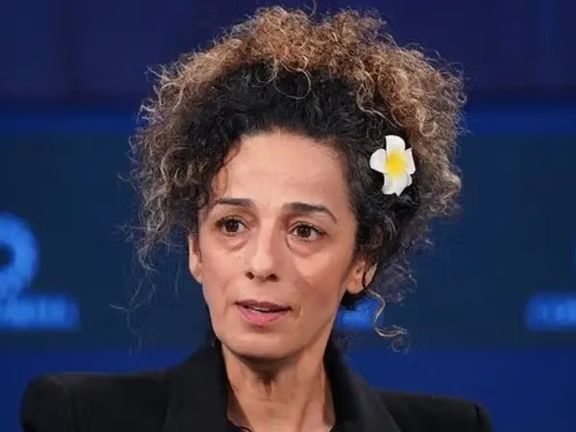
A revealing and controversial case in the landscape of Iranian exile politics is that of Masih Alinejad, an Iranian-American journalist and self-styled women’s rights activist whose public persona has long generated sharp debate among Iranians inside and outside the country. From a historical perspective, her prominence illustrates not only the fragmentation of Iran’s opposition abroad but also the ways in which media visibility can substitute for genuine grassroots legitimacy.
Born Masoumeh Alinejad, she later adopted the name Masih—a word that in Persian means *“Christ.”* The transformation of her name has been widely interpreted by critics as a deliberate act of political branding rather than a personal or cultural evolution. While Masoumeh is a common Iranian name with deep religious roots—associated with Shi’ite tradition and the shrine city of Qom—the name Masih carries explicit Christian symbolism and is virtually nonexistent among Iranian women. For many observers, this renaming is emblematic of a broader strategy: reshaping identity to appeal to Western audiences while severing cultural continuity with Iranian society.
Alinejad presents herself internationally as a feminist and a champion of Iranian women, particularly through campaigns against compulsory hijab. Yet human-rights activists critical of her approach argue that **visibility has replaced accountability**. Her activism, they contend, prioritizes confrontation over consequence—encouraging symbolic acts that expose women inside Iran to arrest, violence, or long prison sentences, while she herself remains safely outside the country.
From a human-rights standpoint, the central criticism is not opposition to compulsory hijab—which is widely rejected by Iranians—but the **absence of responsibility toward those who bear the cost of such activism**. Many Iranian women who followed highly publicized calls to protest were detained, beaten, or imprisoned, while Alinejad continued to receive international media platforms, awards, and funding without facing similar risks.
Equally troubling to critics is her close alignment with Western governments and state-funded media outlets. This has fueled the perception among many Iranians that she functions less as an independent activist and more as a **media instrument within broader geopolitical narratives**. As a result, she is frequently viewed—not only by supporters of the regime, but also by regime opponents—as disconnected from the realities of Iranian society and dismissive of its complexities.
Contrary to claims of mass popularity, many Iranians inside the country either do not recognize her name or regard her with skepticism. Among those who do know her, criticism is often blunt: she is accused of simplifying Iran’s struggles for Western consumption, monopolizing attention, and marginalizing activists who work quietly inside Iran at far greater personal risk.
From a historical lens, Masih Alinejad represents a recurring phenomenon in modern Iranian politics: **the elevation of exile figures through foreign amplification rather than domestic legitimacy**. Whether one agrees with her positions or not, her case raises serious questions about representation, responsibility, and the ethics of activism conducted at a safe distance from repression.
فارسی
یکی از نمونههای بحثبرانگیز در سیاست تبعیدی ایرانیان، **مسیح علینژاد**، روزنامهنگار ایرانی–آمریکایی و فعال خودخوانده حقوق زنان است؛ شخصیتی که حضور پررنگ رسانهایاش همواره با مناقشه و انتقاد همراه بوده است. از منظر تاریخی، جایگاه او نهتنها نشاندهنده شکافهای عمیق در اپوزیسیون خارج از کشور است، بلکه بیانگر آن است که چگونه **شهرت رسانهای میتواند جایگزین مشروعیت اجتماعی واقعی شود**.
نام اصلی او **معصومه علینژاد** است؛ نامی رایج در فرهنگ ایرانی با ریشههای مذهبی شیعی. او بعدها نام «مسیح» را برای خود برگزید—واژهای که در فارسی به معنای «عیسی مسیح» است و اصولاً نامی زنانه یا متداول در جامعه ایران نیست. منتقدان این تغییر نام را نه انتخابی شخصی، بلکه **اقدامی آگاهانه برای بازسازی هویت و جلب مخاطب غربی** میدانند؛ اقدامی که بهزعم آنان نمادی از گسست فرهنگی و فاصله گرفتن از جامعه ایران است.
علینژاد در سطح بینالمللی خود را مدافع حقوق زنان، بهویژه مخالف حجاب اجباری معرفی میکند. با این حال، بسیاری از فعالان حقوق بشر نسبت به روشهای او انتقاد جدی دارند. مسئله اصلی برای منتقدان، مخالفت با حجاب اجباری نیست—که خواستهای گسترده در جامعه ایران است—بلکه **بیمسئولیتی نسبت به پیامدهای واقعی این نوع کنشگری برای زنان داخل کشور** است.
بسیاری از زنانی که تحت تأثیر فراخوانهای رسانهای پر سر و صدا اقدام به اعتراض کردند، بازداشت، ضربوشتم یا زندانی شدند؛ در حالی که خود علینژاد، در امنیت کامل خارج از کشور، به دریافت تریبونهای رسانهای، جوایز و حمایتهای مالی ادامه داد. این عدم تقارن میان خطر و بهرهبرداری، یکی از اصلیترین محورهای انتقاد به اوست.
نزدیکی آشکار او به دولتهای غربی و رسانههای وابسته به بودجههای دولتی نیز باعث شده که بخش قابل توجهی از ایرانیان—حتی مخالفان جمهوری اسلامی—او را نه یک فعال مستقل، بلکه **ابزاری رسانهای در چارچوب منافع ژئوپلیتیک** تلقی کنند. از این منظر، او بیش از آنکه نماینده زنان ایران باشد، سخنگوی روایتی است که برای مصرف خارجی سادهسازی شده است.
برخلاف ادعای محبوبیت گسترده، بسیاری از ایرانیان داخل کشور یا نام او را نمیشناسند یا نسبت به او بدبیناند. در میان کسانی که او را میشناسند، انتقادها صریح است: او متهم میشود که رنج مردم ایران را به نمایش رسانهای تبدیل کرده، توجه جهانی را انحصار کرده و صدای فعالانی را که در داخل کشور با هزینههای واقعی مبارزه میکنند، به حاشیه رانده است.
از نگاه تاریخنگارانه، مسیح علینژاد نمونهای آشنا در سیاست معاصر ایران است: **چهرهای تبعیدی که نه از دل جامعه، بلکه با تقویت خارجی برجسته شده است**. فارغ از موافقت یا مخالفت با مواضع او، پرونده او پرسشهای جدی درباره نمایندگی، مسئولیت اخلاقی و معنای واقعی کنشگری حقوق بشری از فاصلهای امن مطرح میکند.